Female Hormone Panel: Complete Testing Guide
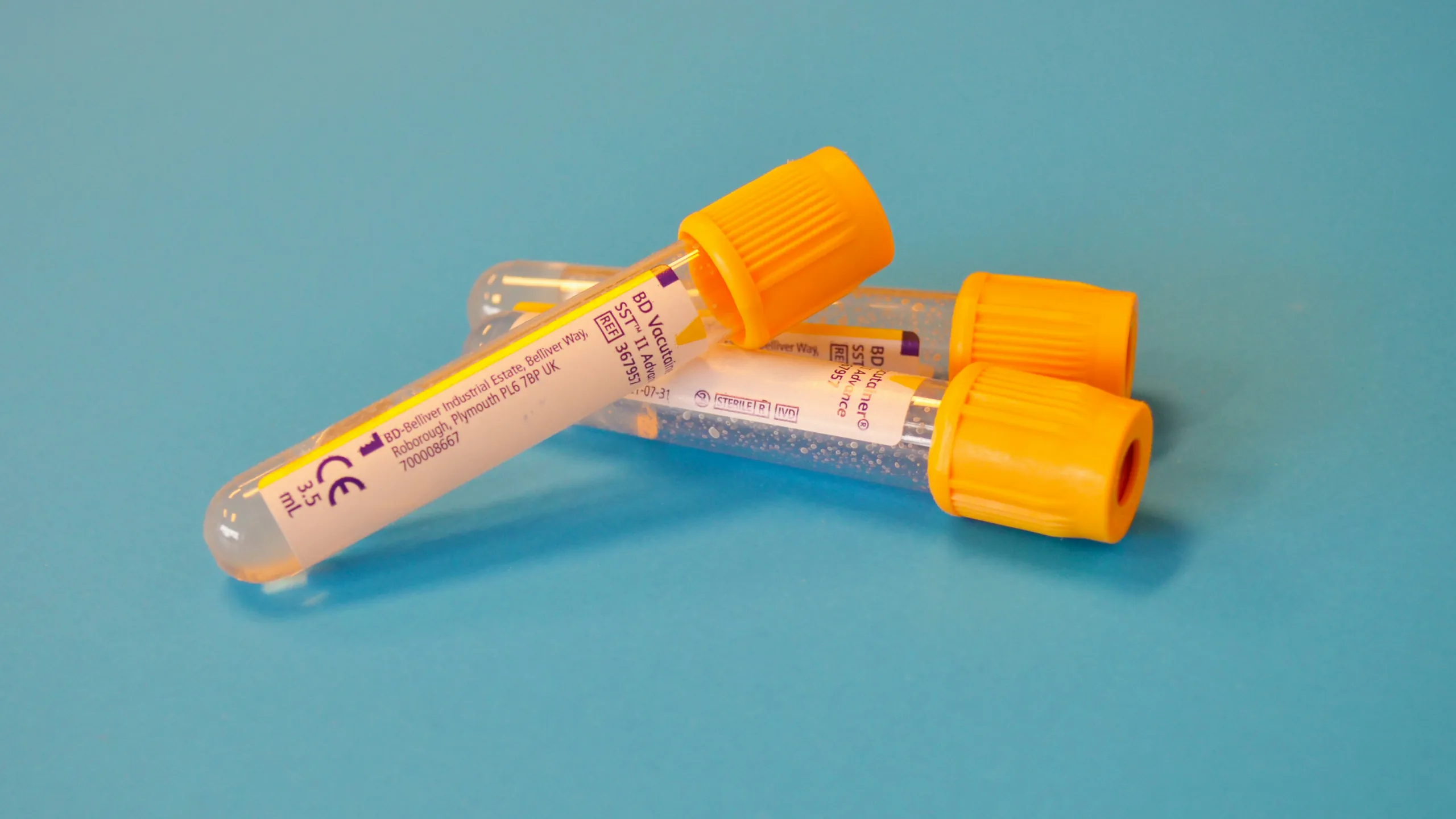
Hormones play a pivotal role in women's health, influencing various physiological processes such as menstrual cycles, mood regulation, and reproductive health. A female hormone test provides a comprehensive snapshot of hormonal balance, which is crucial for diagnosing and managing conditions such as polycystic ovary syndrome (PCOS), menopause, and infertility. The female hormone panel typically measures key hormones, including oestrogen, progesterone, follicle-stimulating hormone (FSH), and luteinising hormone (LH). Understanding the significance of these measurements can help guide appropriate treatment options and lifestyle modifications.
The female hormone panel is particularly valuable for identifying imbalances that may contribute to symptoms like irregular periods, severe premenstrual syndrome (PMS), or unexplained weight changes. For instance, low progesterone levels can lead to complications in pregnancy, while elevated oestrogen levels may be associated with an increased risk of certain cancers. Each hormone plays a distinct role, and the results of the hormone panel can inform further diagnostic steps or interventions.
Consulting a healthcare professional is advisable when symptoms suggest potential hormonal imbalances. It is essential to discuss any relevant medical history and current symptoms with a qualified practitioner who can interpret test results accurately. The timing of the blood test may also be critical, as hormone levels fluctuate throughout the menstrual cycle. For example, FSH and LH levels are typically assessed on specific days of the cycle to provide the most accurate insights.
Understanding female hormone tests
Female hormone tests assess the levels of critical hormones, including oestrogen, progesterone, follicle-stimulating hormone (FSH), and luteinizing hormone (LH). These hormones play significant roles in regulating reproductive processes, menstrual cycles, and overall metabolic health. For instance, oestrogen influences uterine lining growth, while progesterone prepares the body for potential pregnancy.
Abnormal hormone levels can indicate various health conditions. For example, elevated levels of FSH and LH alongside low oestrogen may suggest menopause, while an imbalance of these hormones can be indicative of polycystic ovary syndrome (PCOS), which affects approximately 1 in 10 women of reproductive age.
Testing for these hormones typically involves a straightforward blood draw, which can be performed at any NHS-approved laboratory. The timing of the test may vary depending on the menstrual cycle, as hormone levels fluctuate throughout the month. Results from these tests provide valuable insights into hormonal health, guiding healthcare providers in diagnosing conditions and developing appropriate treatment plans.
Women should discuss their symptoms and concerns with their healthcare providers to determine if a hormone panel is necessary. Symptoms such as irregular periods, severe PMS, or unexplained weight changes may warrant further investigation through a women's hormone blood test.
Why hormone balance matters
Hormonal balance is essential for maintaining both physical and emotional health in women. Imbalances can lead to a variety of symptoms, including irregular menstrual cycles, difficulties with fertility, fluctuations in weight, and significant mood swings. For example, low progesterone levels can contribute to irregular periods and increased anxiety, while elevated oestrogen levels may lead to weight gain and mood disturbances.
Early identification of these imbalances through a comprehensive female hormone panel, which typically includes tests for oestrogen, progesterone, follicle-stimulating hormone (FSH), and luteinising hormone (LH), allows for timely intervention. Such early detection can prevent more serious complications, such as polycystic ovary syndrome (PCOS) or endometriosis, which can have long-term implications for reproductive health.
Patients should consider regular hormone testing, especially if they experience persistent symptoms. The NHS recommends that women experiencing irregular cycles or significant mood changes consult a healthcare provider for appropriate testing and management options. Regular monitoring can lead to more tailored and effective treatments, enhancing overall well-being.
When to consider a female hormone test
A female hormone test may be necessary in various clinical scenarios. Irregular menstrual cycles can indicate hormonal imbalances that may benefit from investigation. Conditions such as polycystic ovary syndrome (PCOS) or thyroid dysfunction can also contribute to irregular cycles, making a hormone panel essential for diagnosis and treatment planning.
Symptoms of menopause, including hot flashes, night sweats, and mood changes, often prompt the need for testing. An oestrogen test can help assess oestrogen levels, providing insight into whether hormone replacement therapy may be beneficial.
Women facing fertility challenges should consider a hormone panel to evaluate factors such as follicle-stimulating hormone (FSH) and luteinising hormone (LH) levels. These hormones play critical roles in regulating ovulation and overall reproductive health.
Monitoring hormone therapy requires regular assessment of hormone levels to ensure optimal treatment outcomes. A women's hormone blood test can help track progesterone levels and other relevant hormones, allowing healthcare providers to adjust treatment as needed. Consulting a healthcare provider is essential for determining the appropriate timing and type of hormone testing based on individual symptoms and medical history.
What the test measures
A comprehensive female hormone panel typically includes several critical components that provide insights into reproductive health.
The Oestrogen Test assesses levels of oestrogen, a hormone essential for the regulation of the menstrual cycle and reproductive system. Abnormal levels can indicate conditions such as polycystic ovary syndrome (PCOS) or menopause, both of which can significantly impact a woman's health. According to the National Health Service (NHS), monitoring oestrogen levels can help guide treatment options for these conditions.
The FSH LH Test measures follicle-stimulating hormone and luteinizing hormone, both of which play vital roles in the regulation of the menstrual cycle and ovulation. Elevated levels of FSH may indicate diminished ovarian reserve, while abnormal LH levels can signal issues with ovulation. The National Institute for Health and Care Excellence (NICE) recommends these tests for women experiencing irregular cycles or difficulties conceiving, as they can help determine the underlying causes.
Progesterone Levels are assessed to indicate whether ovulation has occurred and to evaluate overall reproductive health. Low progesterone levels may suggest issues such as luteal phase defects, which can affect fertility. A progesterone test is particularly useful for women undergoing fertility treatments, as it helps to confirm whether ovulation has taken place. Understanding these hormone levels can empower women to make informed decisions regarding their reproductive health and treatment options.
Each hormone's level offers critical clues about reproductive health, menstrual cycle regularity, and potential disorders. By evaluating these measurements, healthcare providers can develop tailored management strategies to address individual concerns.
Interpreting results
Interpreting results from a female hormone panel requires professional expertise. Elevated or reduced levels of hormones such as oestrogen, progesterone, follicle-stimulating hormone (FSH), and luteinising hormone (LH) can indicate hormonal imbalances. For instance, elevated FSH levels may suggest ovarian insufficiency, while low progesterone levels can be associated with irregular menstrual cycles or fertility issues.
Healthcare providers consider these results in conjunction with patient symptoms and medical history to form an accurate diagnosis. For example, a patient presenting with symptoms of fatigue and mood swings alongside abnormal oestrogen levels may prompt further investigation into potential conditions such as polycystic ovary syndrome (PCOS) or perimenopause.
Additionally, the timing of the hormone test can affect results. Hormone levels fluctuate throughout the menstrual cycle, making it essential to conduct tests at specific times for accurate interpretation. For instance, progesterone levels are typically assessed in the luteal phase, approximately one week after ovulation. This comprehensive approach ensures that treatment recommendations, if necessary, are tailored to the individual's hormonal needs and overall health status.
When to seek help
Consult a healthcare professional if you experience symptoms suggestive of hormonal imbalance. Common symptoms include irregular menstrual cycles, unexplained weight changes, mood fluctuations, and fatigue. These signs may indicate an underlying issue with hormone levels, such as oestrogen or progesterone imbalances, which can impact overall health.
If you are considering fertility, it is also advisable to seek professional advice. A healthcare provider can assess your situation and recommend appropriate testing, such as a female hormone panel. This panel typically includes tests for hormones like follicle-stimulating hormone (FSH), luteinising hormone (LH), and progesterone levels, which are critical for evaluating reproductive health.
Your NHS GP can refer you for necessary testing. Alternatively, you may choose to book a private GP consultation for more immediate assessment. This option can facilitate quicker access to hormone blood tests, enabling timely diagnosis and management of any identified imbalances.
Conclusion
Hormone tests are vital tools in understanding women's health. Knowing when and why to get tested can lead to better health outcomes. For those looking for more information or to schedule a test, learn more about our blood testing services.
For instant health guidance, try our free AI Doctor.
Frequently asked questions
What does a female hormone test measure?
A female hormone test measures levels of key hormones such as oestrogen, progesterone, FSH, and LH. These levels provide insights into reproductive health and hormonal balance.
Why is hormonal balance important?
Hormonal balance is crucial for regulating menstrual cycles, maintaining fertility, and overall emotional well-being. Imbalances can lead to various health issues.
When should I consider getting a female hormone test?
Consider a hormone test if experiencing irregular periods, symptoms of menopause, fertility concerns, or to monitor hormone therapy.
How do I interpret my hormone test results?
Hormone test results should be interpreted by a healthcare professional. They will consider your hormone levels, symptoms, and medical history to provide a diagnosis or treatment plan.
Can I get a hormone test through the NHS?
Yes, your NHS GP can refer you for a hormone test if it's deemed necessary based on your symptoms and medical history.
What should I do if my hormone levels are abnormal?
If your hormone levels are abnormal, consult a healthcare professional. They can recommend further tests or treatments to address the imbalance.
Blood Tests
Doctor-led panels from single markers to full screens, read and explained the same day.
View Blood Tests