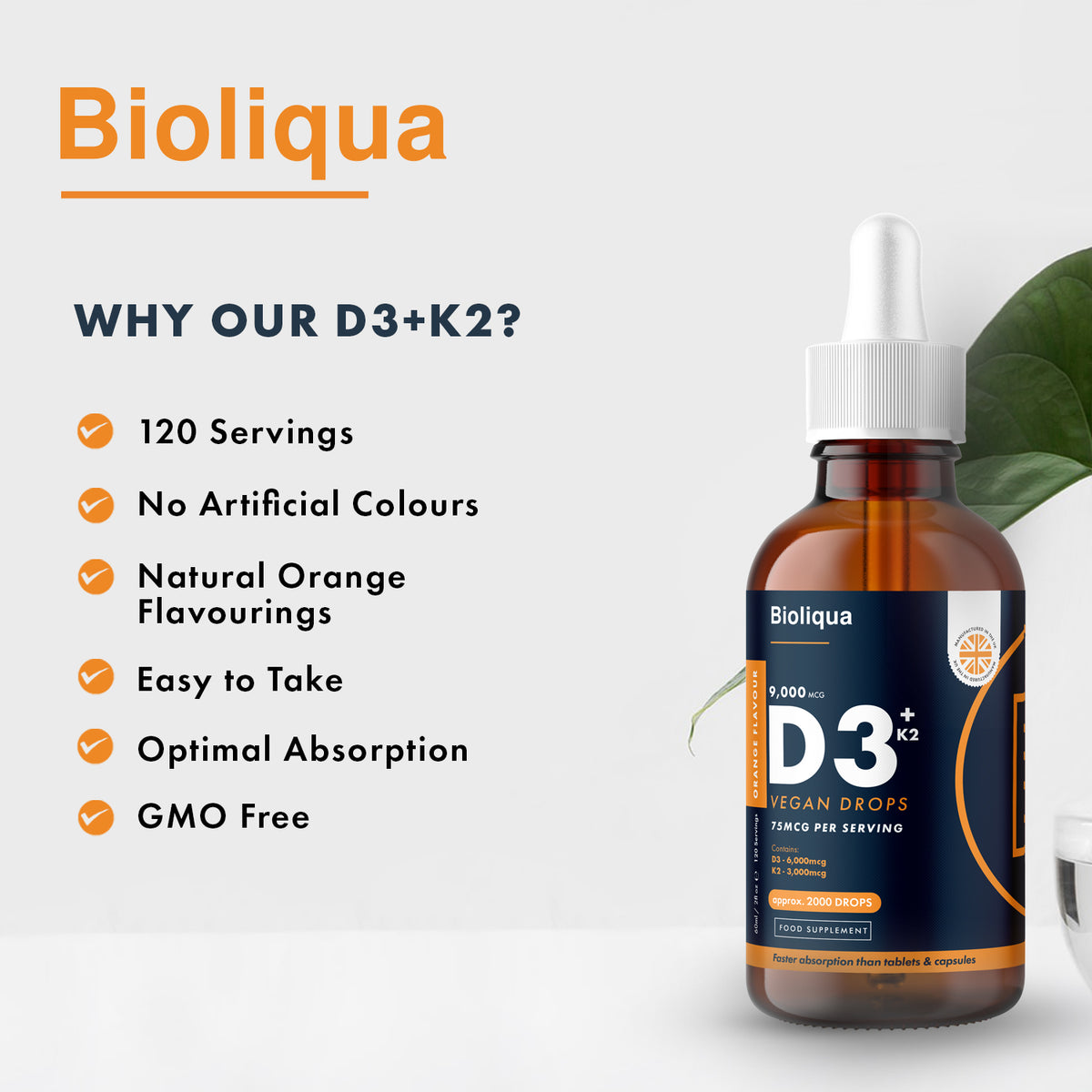
Vitamin D3 + K2 liquid drops
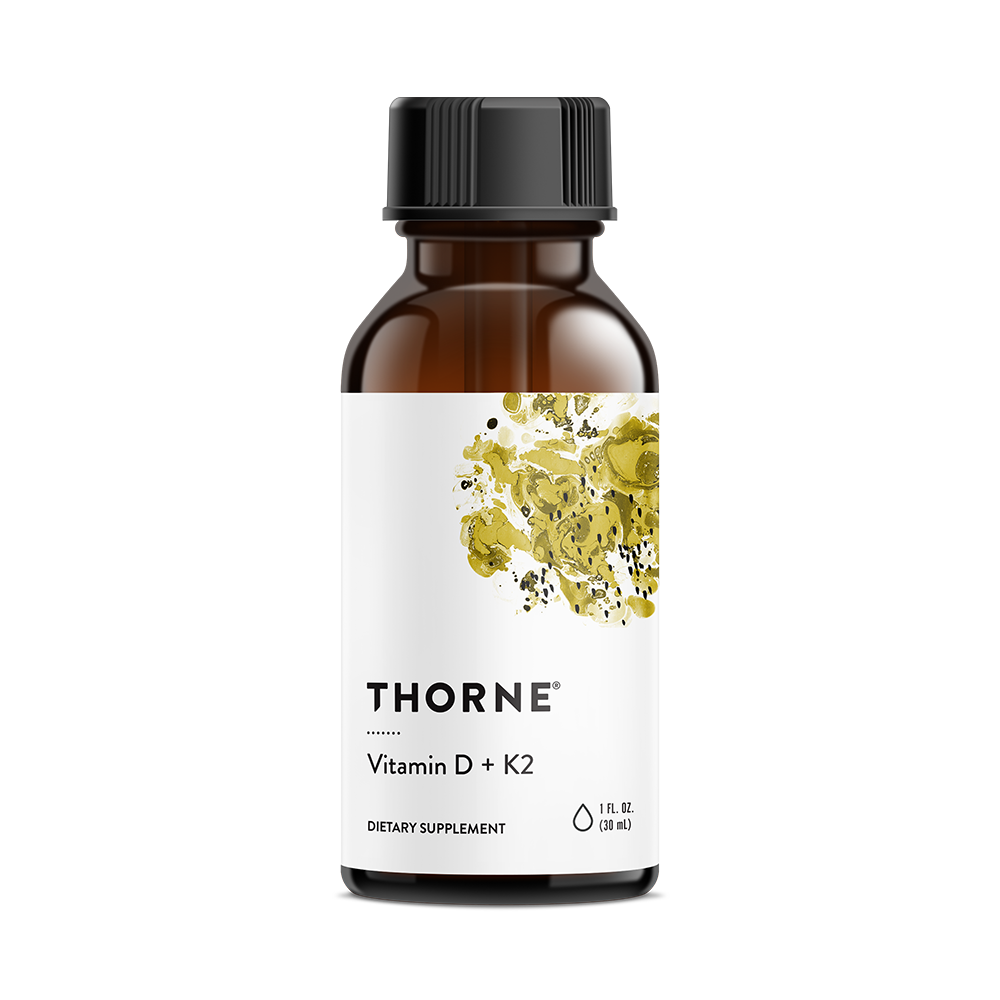
Vitamin D3 + K2 Liquid Drops deliver two fat-soluble nutrients that are commonly considered together: D3 as cholecalciferol — the form most readily converted a…

£25.00
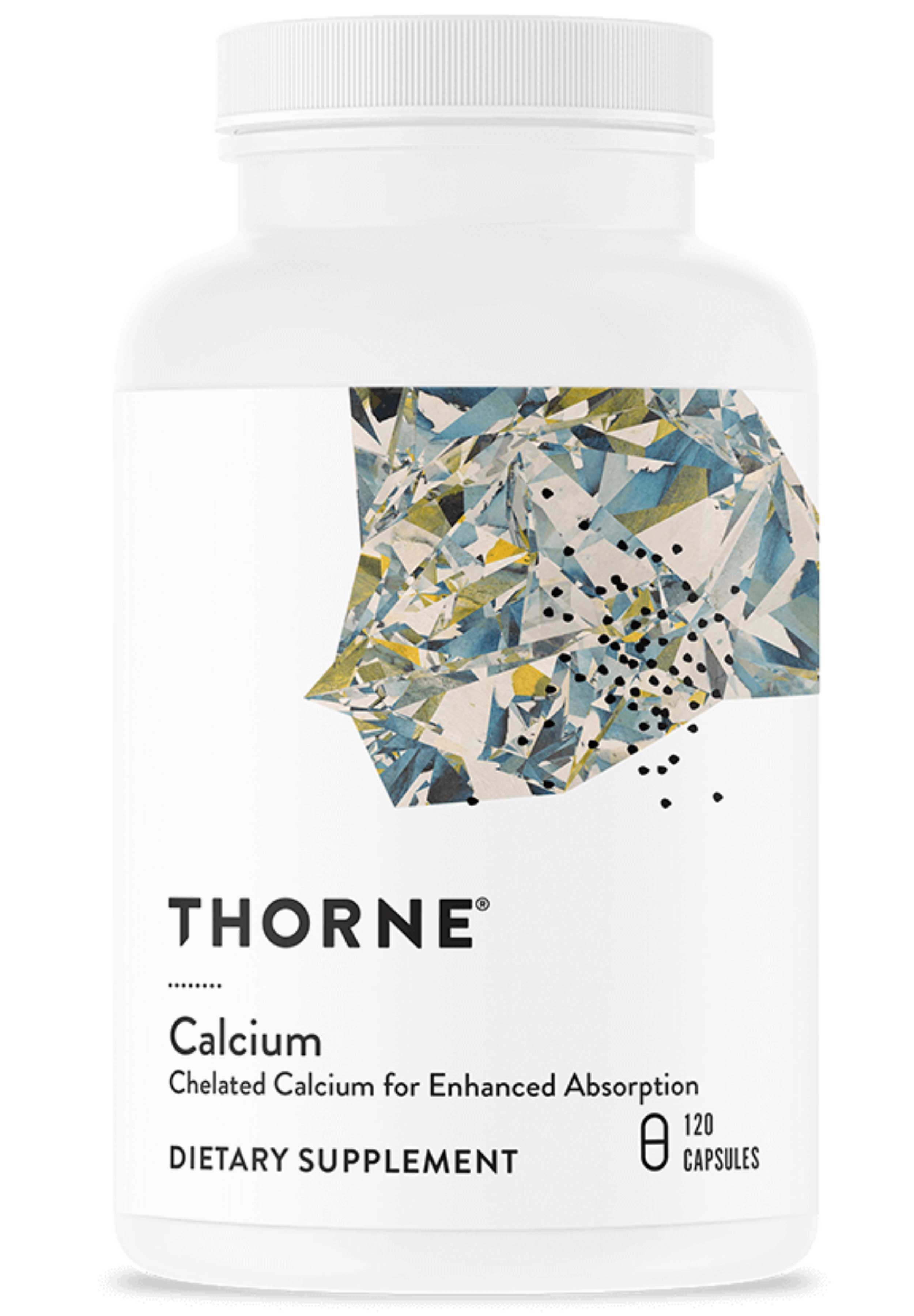
Thorne Calcium provides calcium in the form of dicalcium malate, a chelated compound in which calcium is bound to malic acid.
Vitamin D3 + K2 Liquid Drops deliver two fat-soluble nutrients that are commonly considered together: D3 as cholecalciferol — the form most readily converted a…

60 billion AFU of Akkermansia muciniphila plus 64 billion CFU of Lactobacillus acidophilus, 700 mg berberine, 200 mg inulin, 2.4 mg astaxanthin, and chromium i…
Interested in more
personalised recommendations?

Set up your  Profile to connect your wearables, biomarkers and test results. Create a bespoke plan based on your unique biology. Expert-led, evidence-based.
Thorne Calcium provides calcium in the form of dicalcium malate, a chelated compound in which calcium is bound to malic acid. Chelated forms are generally considered more soluble than calcium carbonate, which may support better absorption — a relevant distinction for anyone who has been told their dietary intake is insufficient or whose blood work suggests low bone mineral density risk.
Calcium is the primary mineral in bone tissue and plays a central role in skeletal maintenance throughout life. Beyond the skeleton, calcium is involved in muscle contraction, nerve signalling, and normal blood clotting. Most people obtain some calcium from dairy, fortified foods, or leafy greens, but requirements can outpace diet during adolescence, pregnancy, post-menopause, and in those following a vegan or dairy-free pattern.
This supplement suits adults looking to close a confirmed dietary gap rather than those self-supplementing without context. A blood or DEXA-informed approach is worth considering before starting, as excess calcium carries its own risks, particularly in those with a history of kidney stones or certain cardiovascular conditions.
Thorne is a brand with a reputation for formulation rigour and transparent ingredient selection, which is part of why it features across several of our doctor-led protocols. The use of dicalcium malate rather than cheaper carbonate forms reflects a deliberate formulation choice that aligns with what our clinicians look for in a calcium supplement.
Calcium (DiCalcium Malate)
Take 2 capsules twice daily, as directed on the packaging. Calcium is generally better absorbed when taken in divided doses rather than a single large dose, so splitting intake across two sittings is sensible. Taking it with food may improve tolerance and absorption.
Calcium carbonate is the most common and inexpensive form, but it requires adequate stomach acid for absorption and can cause bloating in some people. Dicalcium malate is a chelated form bound to malic acid, which is generally considered more soluble and may be better tolerated, particularly for those with lower stomach acid.
It is worth knowing your baseline before supplementing calcium long-term. A clinician can assess dietary intake, relevant blood markers, and bone health risk factors to confirm whether supplementation is appropriate for you. Taking more calcium than needed — particularly without adequate vitamin D — is not without risk.
Vitamin D supports calcium absorption in the gut, so the two are often used together in bone health protocols. Check with your clinician or GP if you are already taking a combined calcium and vitamin D product to avoid unintentional doubling up.
Those with a personal or family history of kidney stones, hypercalcaemia, or certain cardiovascular conditions should speak to a doctor before starting. Calcium can also interact with some medications, including certain antibiotics and thyroid drugs, so check with your pharmacist if you are on prescription medicines.
Bone mineral density changes slowly and is not something you will feel day to day. If you are supplementing to address a confirmed deficiency or support long-term bone health, consistent daily intake over months — combined with weight-bearing exercise and adequate vitamin D — is the relevant timeframe. Follow-up with a clinician or repeat DEXA scan is the only reliable way to track progress.
We offer physician-led talks and events to help you learn more about how to deal with stress through movement, mindfulness, and refocusing.
Learn about our next event
Overall sentiment
4 days ago
Gentle on a sensitive stomach, and I feel like myself again. I had tried two other glandulars before this and neither sat right.
1 week ago
I was sceptical about glandulars, but my mid-afternoon crash has genuinely eased. One capsule with breakfast and I forget about it.
2 weeks ago
Not a stimulant, which is exactly what I wanted. It took about ten days, then I realised I wasn’t dreading the afternoon any more.
3 weeks ago
Bought after a blood panel flagged a flat cortisol curve. Easy to take, no jitters, and the sourcing is refreshingly transparent.
1 month ago
Training hard through a stressful stretch and this has helped me bounce back between sessions. Already on my second bottle.
1 month ago
No frills, one ingredient, a sensible dose. I appreciate that it is designed to be used for a season rather than forever.
A blood test is the only way to know what your body actually needs. We’ll tell you which of these supplements is right for you.
Find your panel
A curated selection of products, tools and rituals, carefully chosen by our expert doctors, to benefit you on your wellness journey.