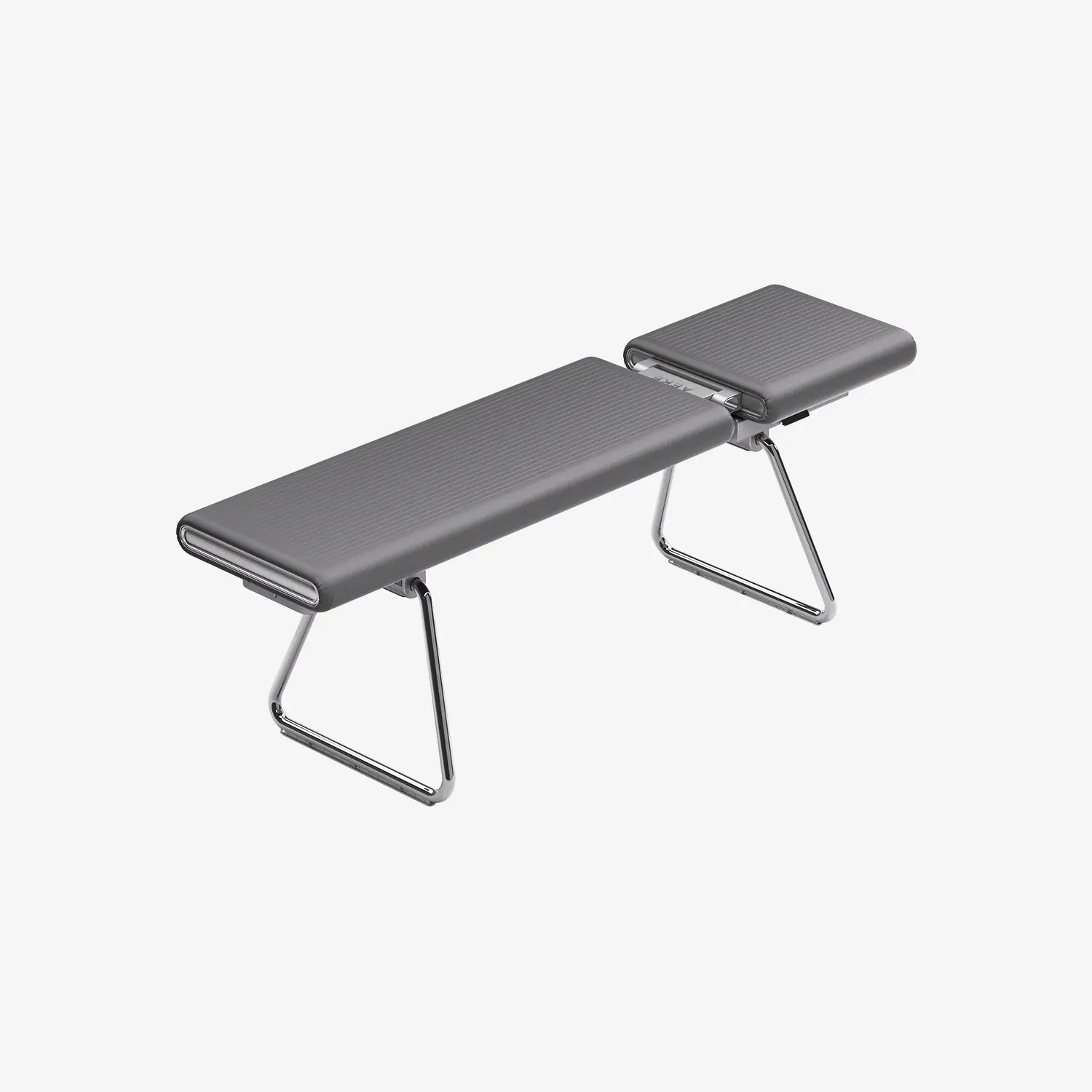
AEKE B1 Fitness Bench
The AEKE B1 Fitness Bench is a considered piece of home gym equipment for those who want a single, dependable surface to anchor a varied training programme.

£480.00
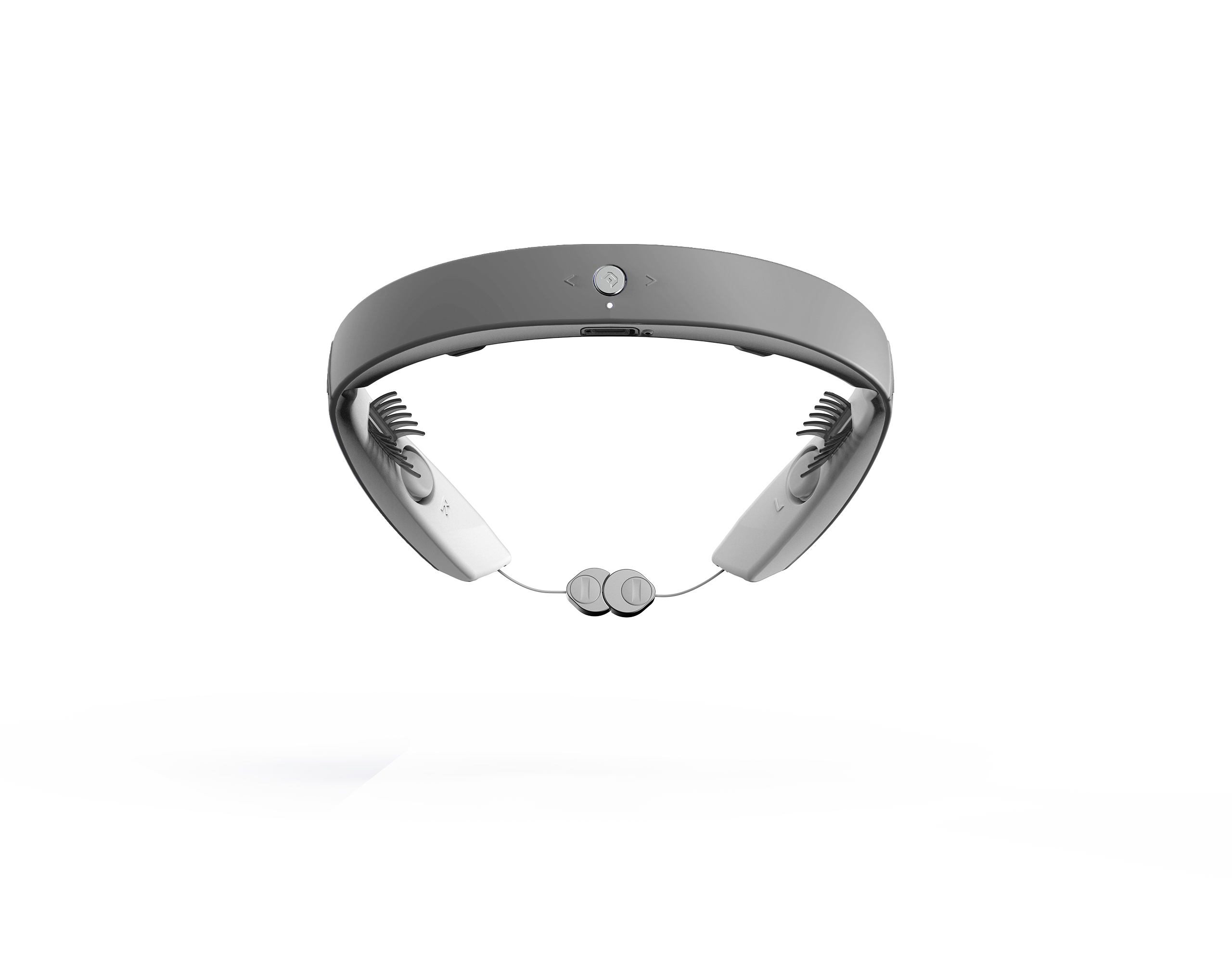
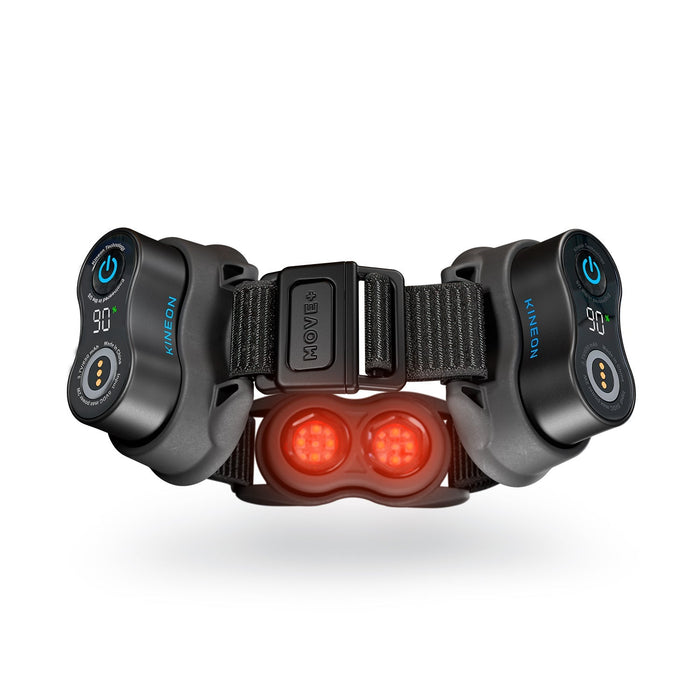
The MOVE+ Pro is a wearable photobiomodulation device from Kineon that combines red LED and low-level laser therapy (LLLT) to deliver targeted light energy to joints and soft tissue.
The AEKE B1 Fitness Bench is a considered piece of home gym equipment for those who want a single, dependable surface to anchor a varied training programme.

The AEKE K1 consolidates intelligent strength training and full-body conditioning into a single foldable unit — a practical proposition for home environments w…
Interested in more
personalised recommendations?

Set up your  Profile to connect your wearables, biomarkers and test results. Create a bespoke plan based on your unique biology. Expert-led, evidence-based.
The MOVE+ Pro is a wearable photobiomodulation device from Kineon that combines red LED and low-level laser therapy (LLLT) to deliver targeted light energy to joints and soft tissue. Photobiomodulation works at the cellular level: specific wavelengths of light are absorbed by mitochondria, a process studied for its potential to reduce localised inflammation and support tissue recovery.
The device is designed for people dealing with persistent joint discomfort — knees and shoulders in particular — as well as those in regular training who want to reduce downtime between sessions. It suits runners managing patellofemoral load, strength athletes with chronic tendon irritation, and anyone whose physiotherapist or sports medicine doctor has suggested adjunct light therapy alongside a rehabilitation programme.
Unlike clinic-based laser panels, the MOVE+ Pro is wearable, meaning the treatment wraps directly around the joint for consistent contact during the session. The combination of LED and true laser diodes means it delivers both surface and deeper tissue penetration — a distinction worth noting when comparing devices that use LED alone.
Kineon positions this as a professional-grade device, and the dual-modality design reflects that. It is worth noting that photobiomodulation is a studied, not experimental, modality — it appears in peer-reviewed literature on osteoarthritis and exercise recovery, though individual responses vary. As with any device-based therapy, consistent use over weeks rather than days is where the evidence sits.
LED and laser therapy device
Wrap the device around the target joint and follow the session duration indicated on the device or in the accompanying instructions. Use consistently — photobiomodulation research generally reflects outcomes from regular sessions over several weeks, not single uses. Follow the manufacturer's guidance on daily frequency.
Most consumer light therapy devices use LED panels only. The MOVE+ Pro combines red LED with low-level laser diodes, which produce coherent light capable of reaching deeper tissue layers. This dual-modality approach is closer to what you would find in a physiotherapy or sports medicine clinic.
Photobiomodulation research typically measures outcomes after consistent use over several weeks. A single session is unlikely to produce noticeable change; the evidence base sits with regular, repeated use on the same area. Manage expectations accordingly and give it a structured trial period.
The device is designed for peripheral joints such as knees, shoulders, and elbows. Avoid use over the eyes, over active malignancies, or on areas with impaired sensation without medical advice. If you are pregnant or have a light-sensitive condition, consult your doctor before use.
Yes — photobiomodulation is typically used as an adjunct, not a replacement, for structured rehabilitation. If you are working with a physiotherapist or sports medicine practitioner, it is worth informing them you are using it so they can factor it into your programme.
Session frequency and course length are specified in the device instructions. The published research on low-level laser therapy for joint conditions generally uses protocols of several sessions per week over a minimum of four to eight weeks, but follow the manufacturer's specific guidance for this device.
We offer physician-led talks and events to help you learn more about how to deal with stress through movement, mindfulness, and refocusing.
Learn about our next event
Overall sentiment
4 days ago
Gentle on a sensitive stomach, and I feel like myself again. I had tried two other glandulars before this and neither sat right.
1 week ago
I was sceptical about glandulars, but my mid-afternoon crash has genuinely eased. One capsule with breakfast and I forget about it.
2 weeks ago
Not a stimulant, which is exactly what I wanted. It took about ten days, then I realised I wasn’t dreading the afternoon any more.
3 weeks ago
Bought after a blood panel flagged a flat cortisol curve. Easy to take, no jitters, and the sourcing is refreshingly transparent.
1 month ago
Training hard through a stressful stretch and this has helped me bounce back between sessions. Already on my second bottle.
1 month ago
No frills, one ingredient, a sensible dose. I appreciate that it is designed to be used for a season rather than forever.
A blood test is the only way to know what your body actually needs. We’ll tell you which of these supplements is right for you.
Find your panel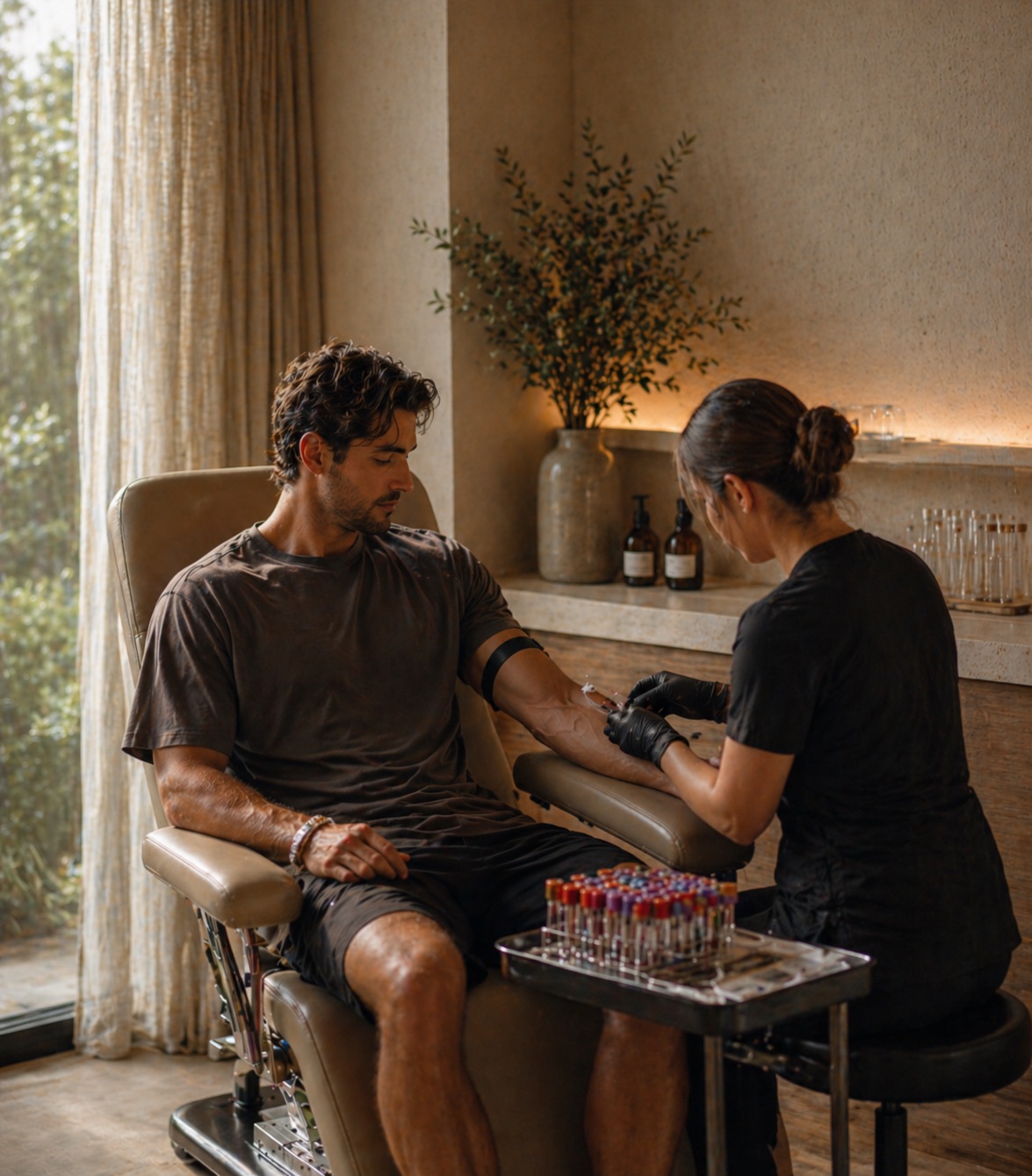
A curated selection of products, tools and rituals, carefully chosen by our expert doctors, to benefit you on your wellness journey.