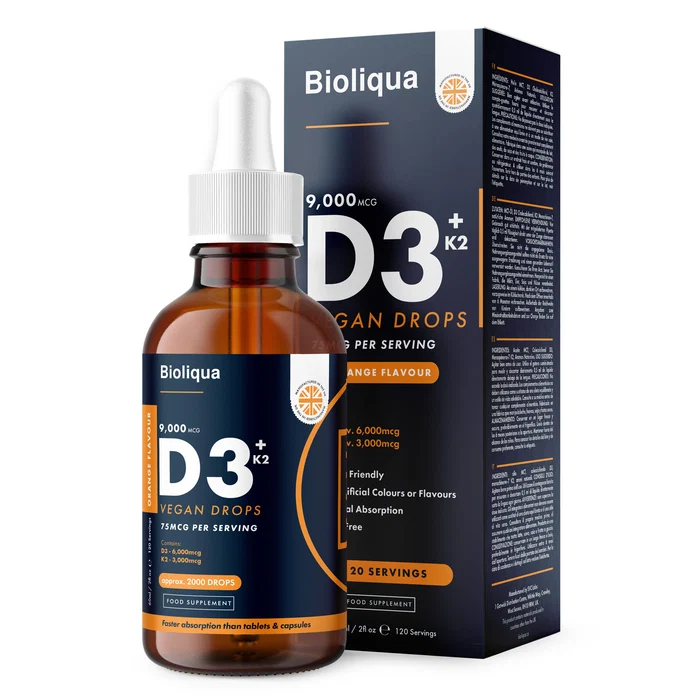
Vitamin D3 + K2 liquid drops
Vitamin D3 + K2 Liquid Drops deliver two fat-soluble nutrients that are commonly considered together: D3 as cholecalciferol — the form most readily converted a…

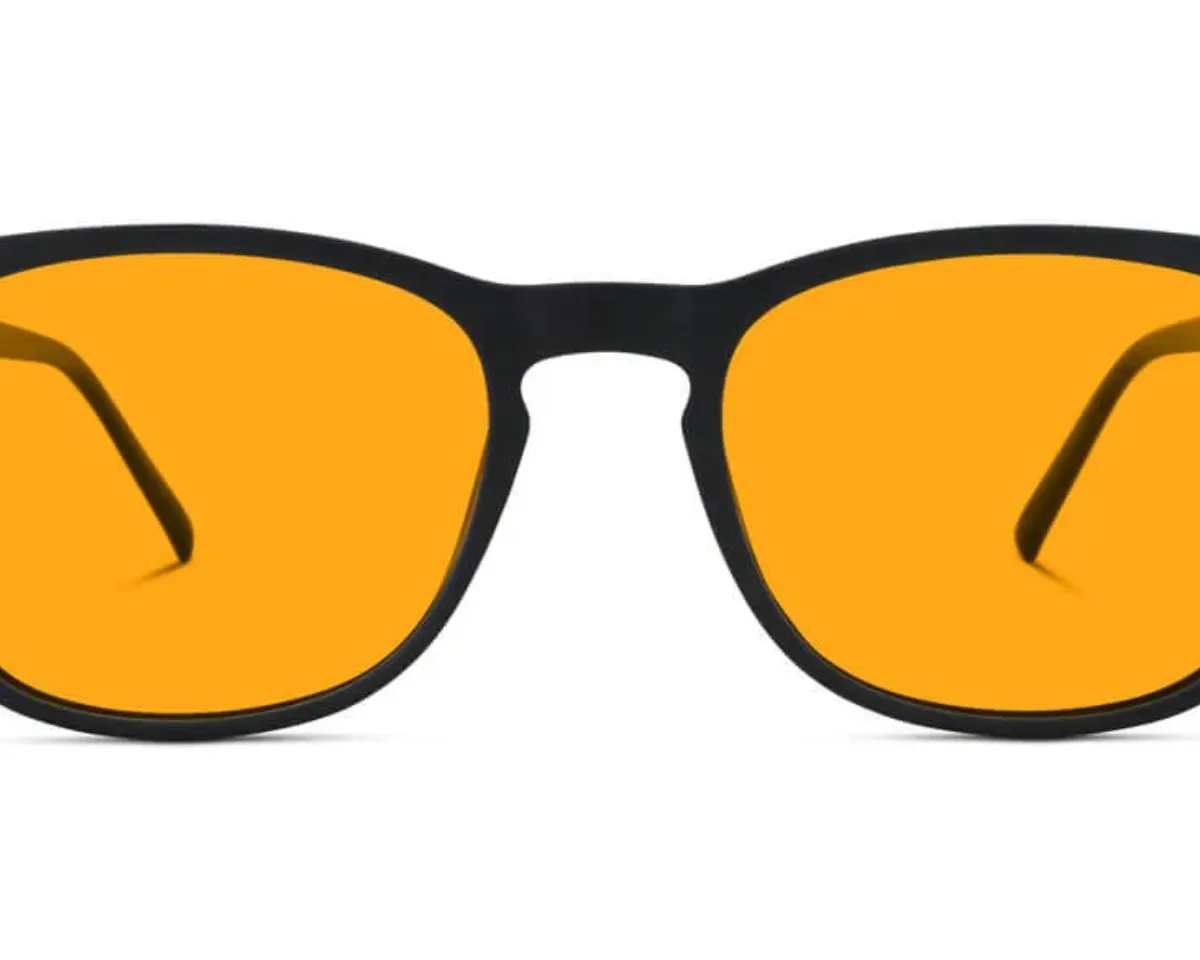
£90.00
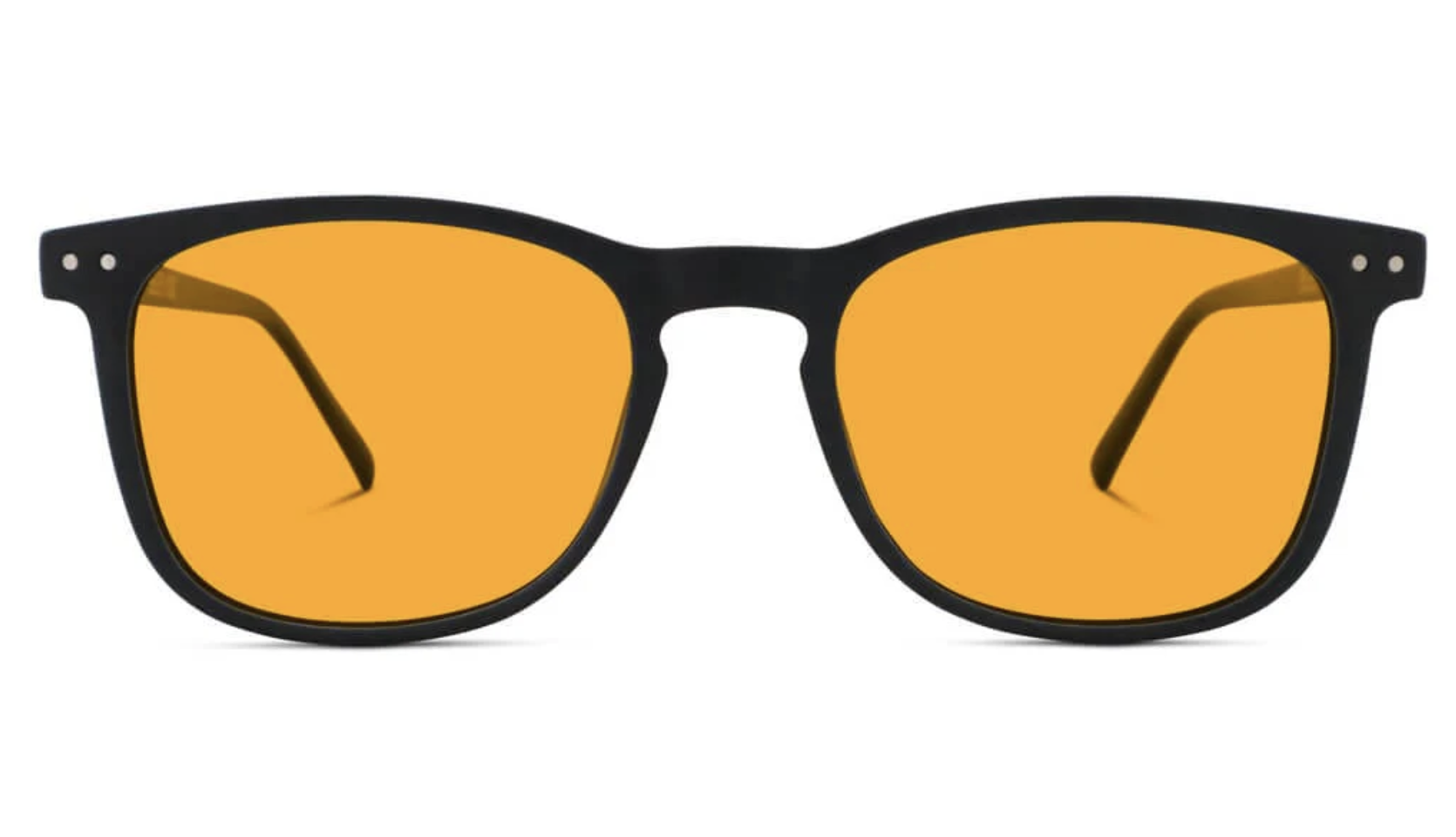
Blue light blocking glasses are worn to filter the high-energy visible (HEV) light emitted by screens — phones, laptops, and monitors.
Secure checkoutFree standard delivery on all orders30-day returns
Vitamin D3 + K2 Liquid Drops deliver two fat-soluble nutrients that are commonly considered together: D3 as cholecalciferol — the form most readily converted a…
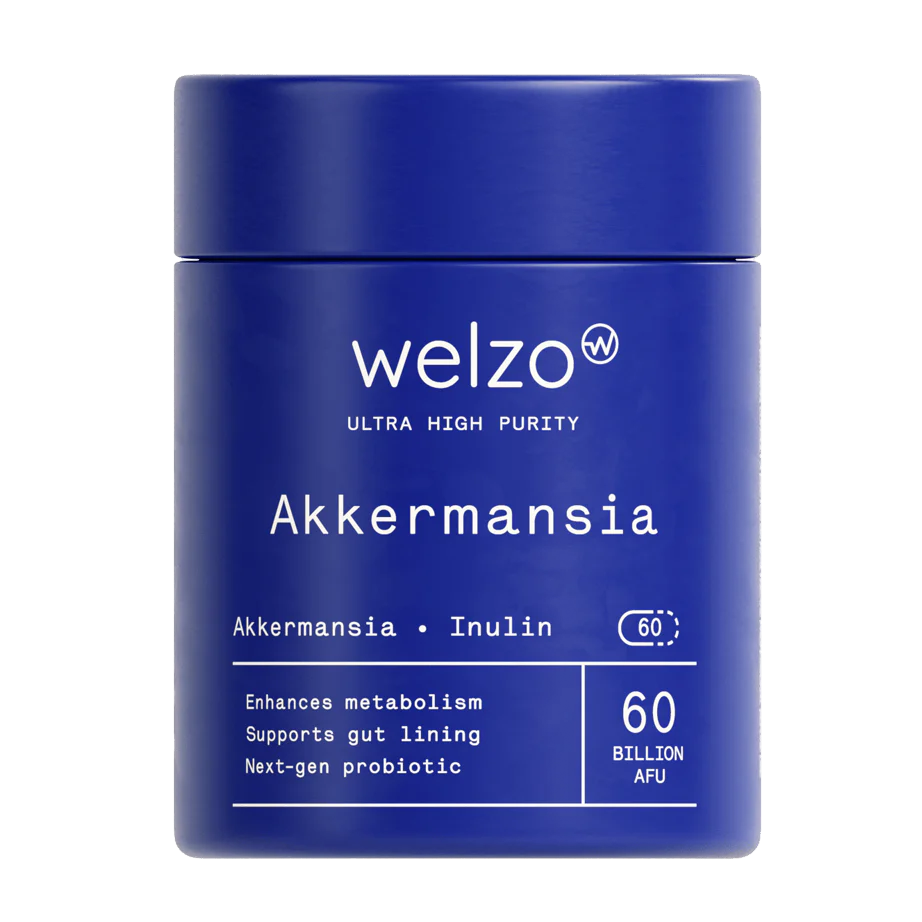
60 billion AFU of Akkermansia muciniphila plus 64 billion CFU of Lactobacillus acidophilus, 700 mg berberine, 200 mg inulin, 2.4 mg astaxanthin, and chromium i…
Interested in more
personalised recommendations?

Set up your  Profile to connect your wearables, biomarkers and test results. Create a bespoke plan based on your unique biology. Expert-led, evidence-based.
Blue light blocking glasses are worn to filter the high-energy visible (HEV) light emitted by screens — phones, laptops, and monitors. In the evening hours, blue light exposure suppresses melatonin production, which can delay sleep onset and reduce overall sleep quality. These glasses are designed to reduce that exposure, making them most relevant for people who work late on screens, shift workers, or anyone who has noticed that screen time close to bedtime disturbs their sleep.
They sit well within a broader sleep hygiene routine — used alongside a consistent wind-down schedule, they may help the body receive a clearer signal that the day is ending. They are not a substitute for reducing screen time, but for those who cannot easily cut it short, they offer a practical layer of support.
Who benefits most: people with delayed sleep phase tendencies, those doing shift work with irregular light exposure, or anyone whose clinician has flagged poor sleep hygiene as a contributing factor to fatigue or mood issues.
Unlike a supplement, there is no dose to manage and no interaction risk. The evidence base for blue light filtration and sleep latency is modest but plausible; the mechanism is well understood. These are a low-risk, low-effort addition to an evening routine where sleep quality is a priority.
Screen protection for better sleep
Wear in the one to two hours before your intended sleep time, particularly when using screens. Follow any specific fit or care instructions included with the product.
Screens emit high-energy visible (blue) light that signals wakefulness to the brain by suppressing melatonin, the hormone that cues sleep. The lenses filter a portion of this light, reducing the strength of that signal in the evening.
The most relevant window is the one to two hours before bed, when melatonin production would naturally begin to rise. Wearing them during daytime screen use has less relevance for sleep, though some people find them comfortable for reducing eye strain.
Blue light blocking glasses carry no known health risks and have no interactions with medications or supplements. If you have a specific eye condition or wear prescription lenses, check with your optician about whether an over-lens or prescription version is more appropriate for you.
No. They address one specific input — evening blue light exposure — and work best as part of a broader sleep hygiene approach. If your sleep difficulties are persistent or significantly affecting daily function, a clinical assessment is a more appropriate starting point.
Software filters reduce blue light output from the screen itself but rarely eliminate it entirely, and they do not cover other light sources in the room. Glasses filter light reaching your eyes from all directions, which makes them a more complete solution for the same mechanism.
We offer physician-led talks and events to help you learn more about how to deal with stress through movement, mindfulness, and refocusing.
Learn about our next event
Overall Sentiment
5 months ago
I was sceptical but my GP mentioned blue light as part of a chat about my poor sleep, so I gave these a go. Been wearing them from about 8pm onwards and I do fall asleep quicker — or at least I'm not lying there wired until midnight. Comfortable on the nose, don't feel flimsy. Pleasantly surprised.
5 months ago
Work late on a laptop most nights — occupational hazard. Started using these alongside cutting caffeine after 2pm and the combination has genuinely helped. Sleep feels deeper and I'm waking up less at 3am. Can't attribute it all to the glasses, but they're staying in the routine.
5 months ago
The lenses are great and the frames are comfortable enough to wear for a few hours. My only gripe is that the hard case they come in feels really flimsy — practically plastic-bag thin. For £87.50 I'd expect something sturdier. The glasses themselves though, no complaints. I do feel like I'm winding down more naturally in the evenings.
6 months ago
Simple. Wear them after dinner, sleep better. Not much more to add.
6 months ago
I can't stop checking emails in the evening, that's just the reality of my job. These are my compromise. I was worried they'd make everything look yellow and horrible but the tint is subtle enough that I barely notice it. Been using them for about six weeks and my sleep tracker is showing consistently better scores. Happy with the purchase.
7 months ago
Bought after a colleague who does shift work swore by them. I'm not a shift worker but I'm a night owl by nature and these have become part of my 9pm routine. Genuinely feel more ready for sleep at a reasonable hour now.
A blood test is the only way to know what your body actually needs. We’ll tell you which of these supplements is right for you.
Find your panel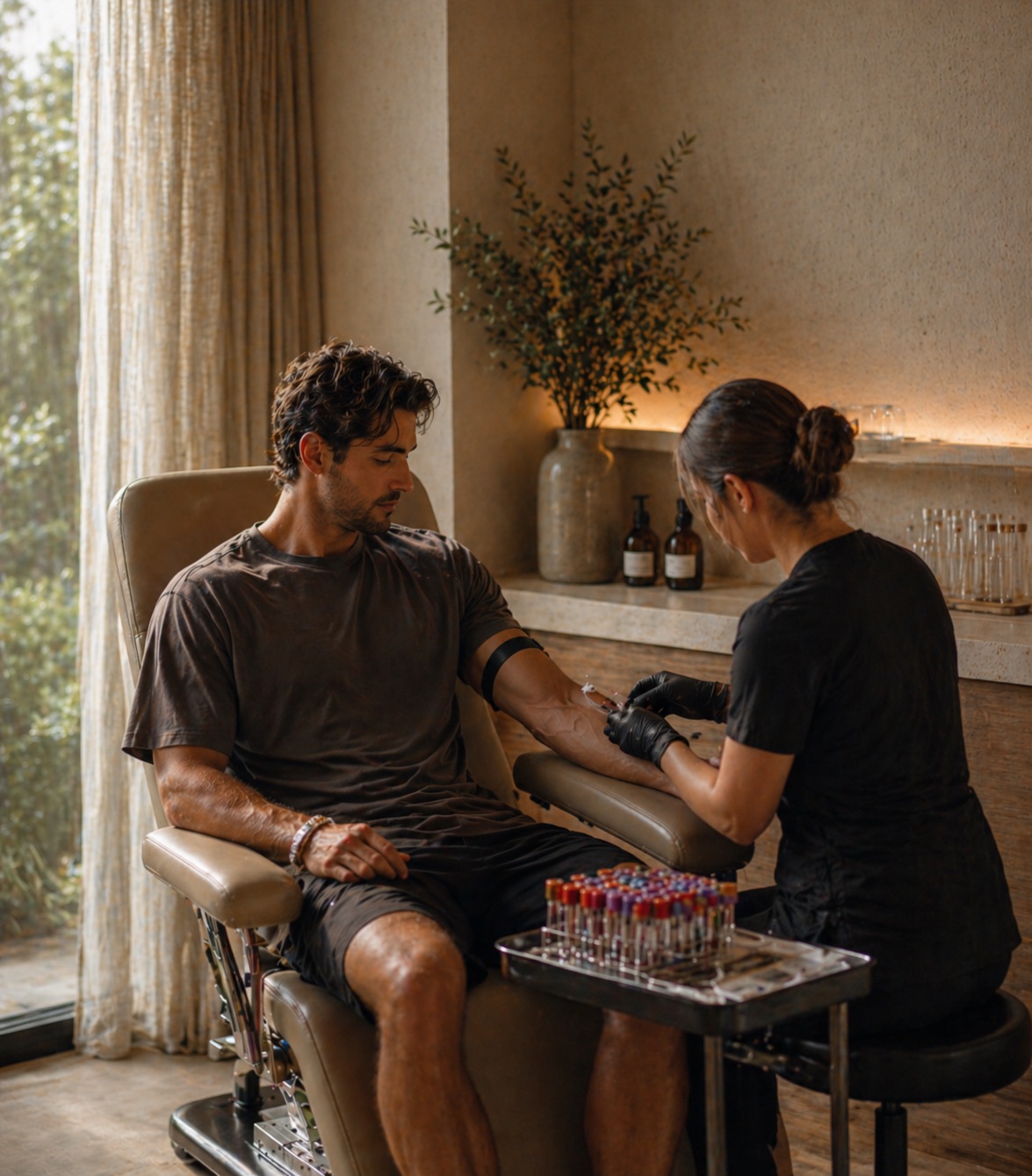
A curated selection of products, tools and rituals, chosen by our doctors.