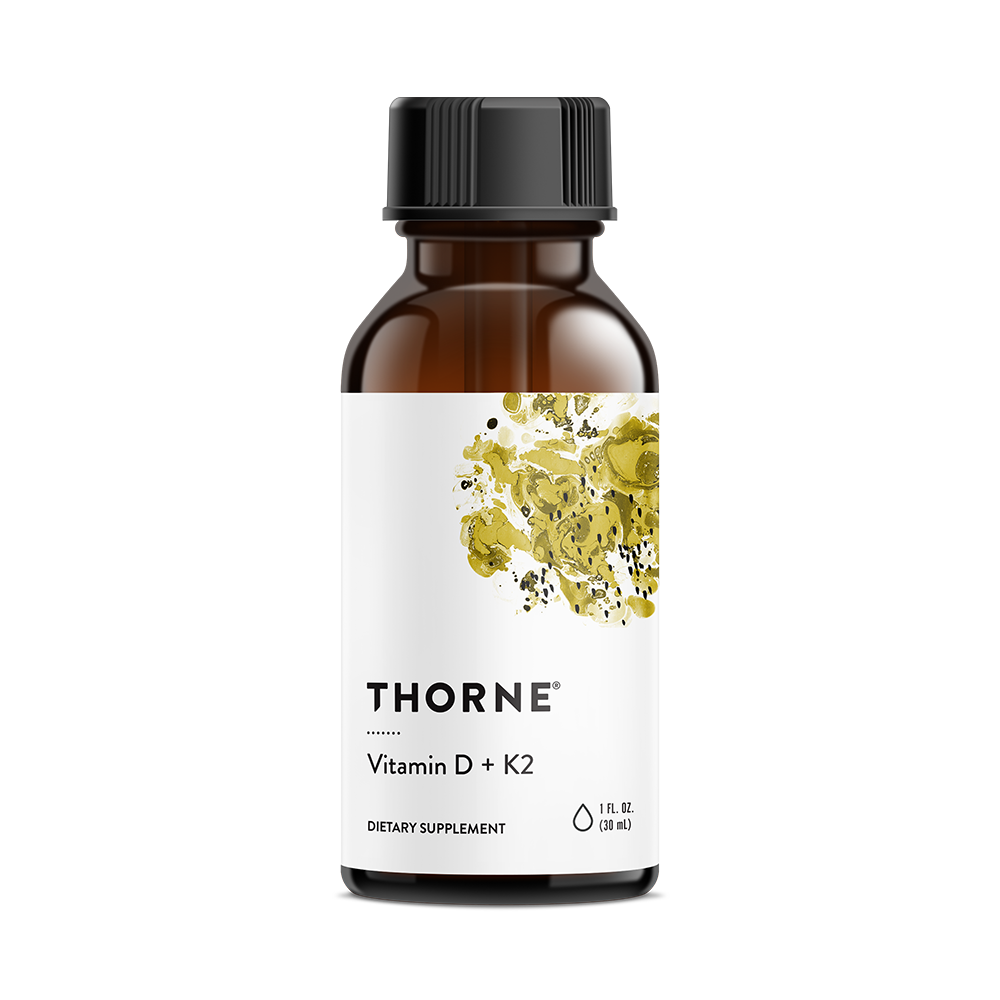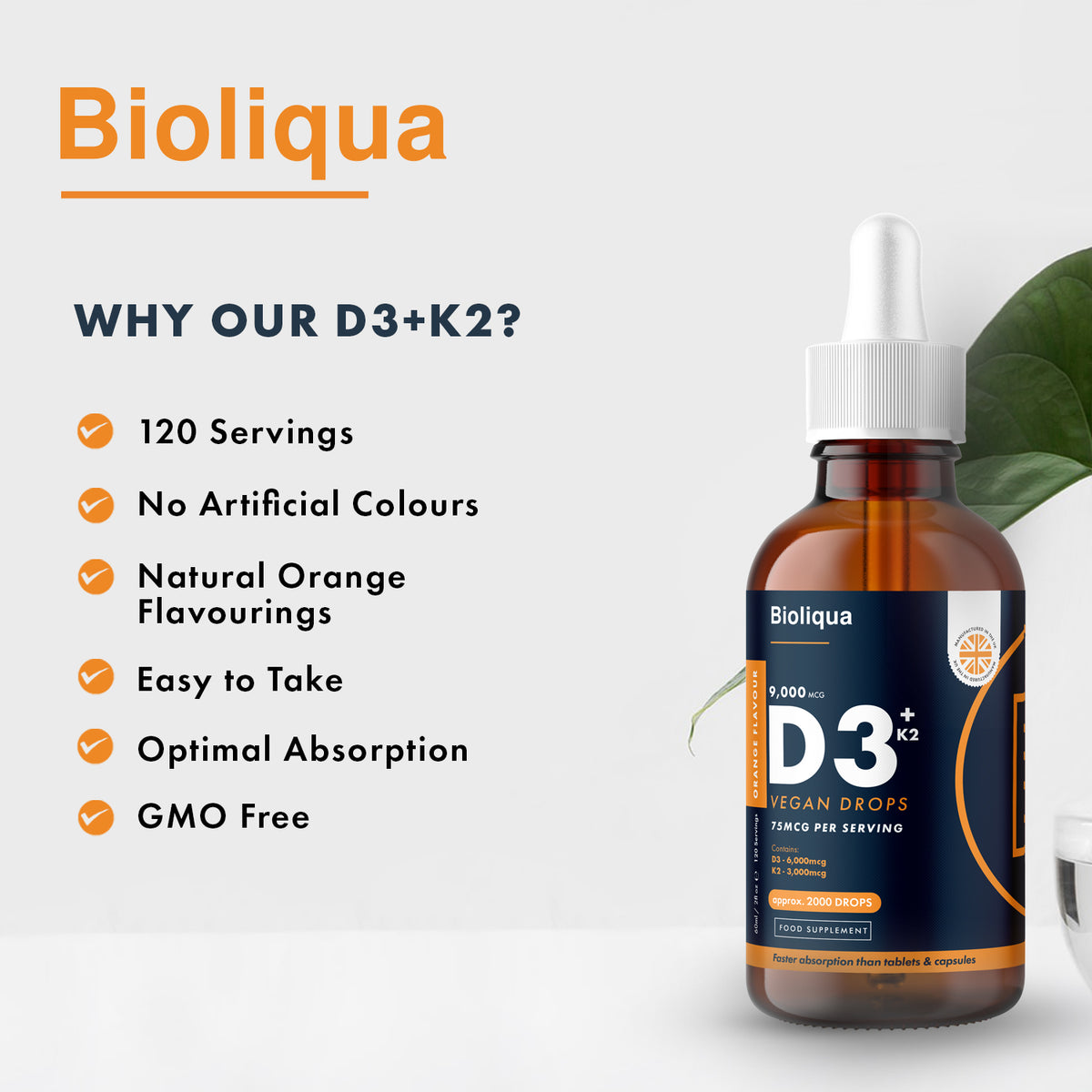
Vitamin D3 + K2 liquid drops
Vitamin D3 + K2 Liquid Drops deliver two fat-soluble nutrients that are commonly considered together: D3 as cholecalciferol — the form most readily converted a…

£35.00
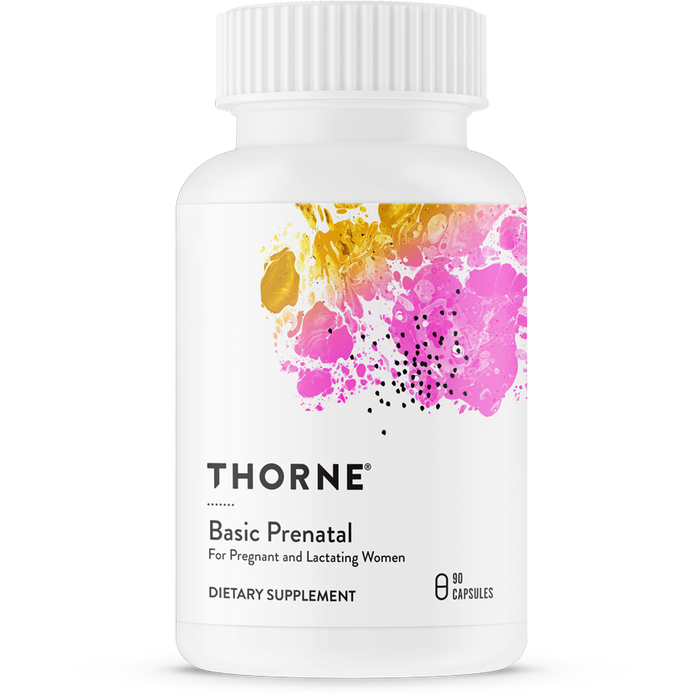
Thorne Basic Prenatal is a comprehensive prenatal multivitamin designed to support nutritional needs during pregnancy and the preconception period.
Vitamin D3 + K2 Liquid Drops deliver two fat-soluble nutrients that are commonly considered together: D3 as cholecalciferol — the form most readily converted a…

60 billion AFU of Akkermansia muciniphila plus 64 billion CFU of Lactobacillus acidophilus, 700 mg berberine, 200 mg inulin, 2.4 mg astaxanthin, and chromium i…
Interested in more
personalised recommendations?

Set up your  Profile to connect your wearables, biomarkers and test results. Create a bespoke plan based on your unique biology. Expert-led, evidence-based.
Thorne Basic Prenatal is a comprehensive prenatal multivitamin designed to support nutritional needs during pregnancy and the preconception period. It contains folate — the bioavailable form of this B vitamin that is critical for healthy neural tube development — alongside iron and a broad spectrum of vitamins and minerals that shift in demand during pregnancy.
Pregnancy places significantly higher nutritional requirements on the body. Folate, iron, and fat-soluble vitamins in particular are frequently depleted, and dietary intake alone often falls short. This formula is suited to women who are planning to conceive, currently pregnant, or breastfeeding, and who want a clinically considered multivitamin as a foundation alongside their diet.
It fits neatly into a morning routine, typically taken with food to ease tolerance — particularly relevant for those experiencing nausea in the first trimester. The three-capsule format allows the dose to be split if a single serving is difficult to tolerate.
Thorne is a brand with a strong reputation in practitioner circles for rigorous quality standards and formulation transparency. The use of bioavailable nutrient forms — such as folate rather than synthetic folic acid — reflects an evidence-informed approach to prenatal nutrition, particularly for individuals with variations in folate metabolism. This is a solid, no-frills prenatal for those who want to know exactly what they are taking and why.
Folate, Iron, Vitamins, Minerals
Take 3 capsules daily, as directed on the packaging. Taking them with food may help reduce any nausea, and the dose can be split across meals if needed — this is worth considering in the first trimester.
Ideally before conception. Folate is most critical in the first four weeks of pregnancy, often before a woman knows she is pregnant. Starting at least one month prior to trying to conceive is widely recommended by clinicians.
Folate is the bioavailable, active form of vitamin B9. Some people carry a genetic variation (MTHFR) that limits their ability to convert synthetic folic acid into its usable form. Using folate directly sidesteps that issue for most people.
Possibly, but check with your GP or midwife first — particularly if you are taking additional iron, vitamin A, or single-nutrient supplements, as excess intake of certain nutrients during pregnancy carries risks. A blood test can clarify where your levels actually sit.
Yes. Taking capsules separately with different meals is a practical option if you are experiencing nausea, which is common in early pregnancy. Check the packaging guidance and discuss with your healthcare provider if unsure.
Women with iron-deficiency anaemia, vitamin D deficiency, or a multiple pregnancy may need additional supplementation on top of a general prenatal. A blood panel is the most reliable way to identify specific gaps rather than supplementing based on guesswork.
We offer physician-led talks and events to help you learn more about how to deal with stress through movement, mindfulness, and refocusing.
Learn about our next event
Overall sentiment
4 days ago
Gentle on a sensitive stomach, and I feel like myself again. I had tried two other glandulars before this and neither sat right.
1 week ago
I was sceptical about glandulars, but my mid-afternoon crash has genuinely eased. One capsule with breakfast and I forget about it.
2 weeks ago
Not a stimulant, which is exactly what I wanted. It took about ten days, then I realised I wasn’t dreading the afternoon any more.
3 weeks ago
Bought after a blood panel flagged a flat cortisol curve. Easy to take, no jitters, and the sourcing is refreshingly transparent.
1 month ago
Training hard through a stressful stretch and this has helped me bounce back between sessions. Already on my second bottle.
1 month ago
No frills, one ingredient, a sensible dose. I appreciate that it is designed to be used for a season rather than forever.
A blood test is the only way to know what your body actually needs. We’ll tell you which of these supplements is right for you.
Find your panel
A curated selection of products, tools and rituals, carefully chosen by our expert doctors, to benefit you on your wellness journey.