Vitamin D3 + K2 liquid drops
Vitamin D3 + K2 Liquid Drops deliver two fat-soluble nutrients that are commonly considered together: D3 as cholecalciferol — the form most readily converted a…

£105.00
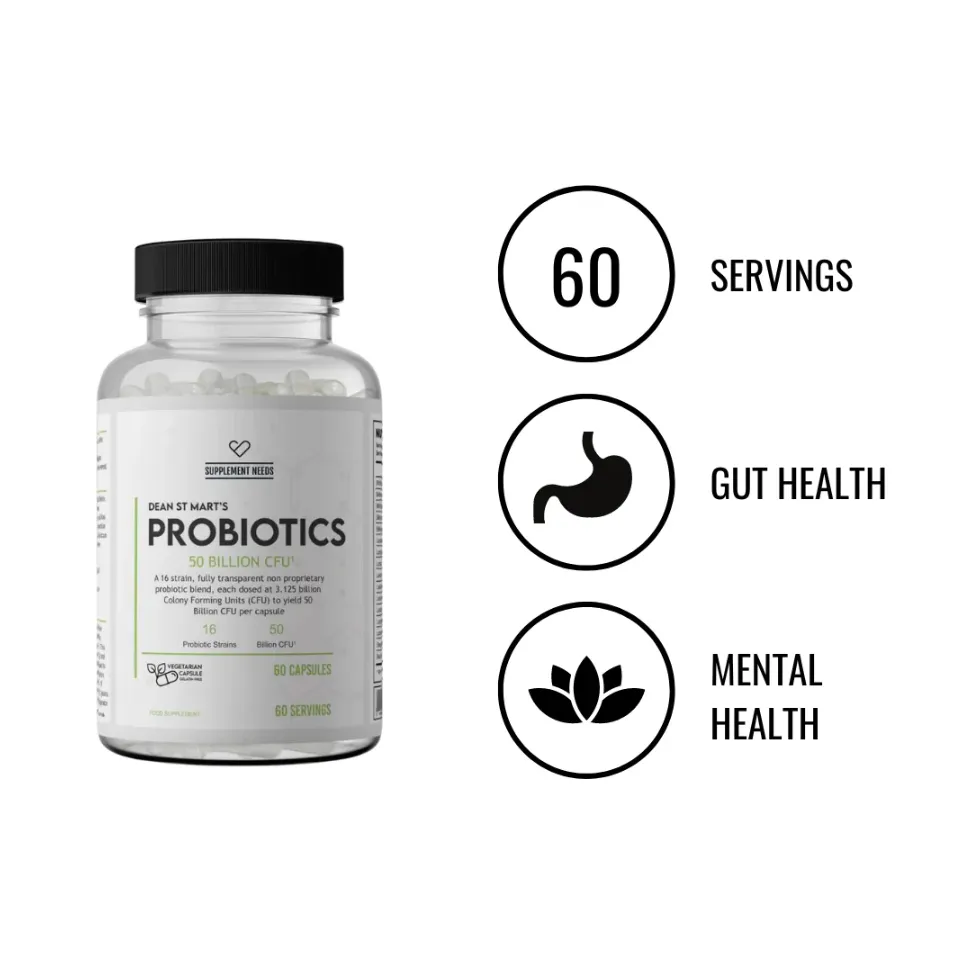
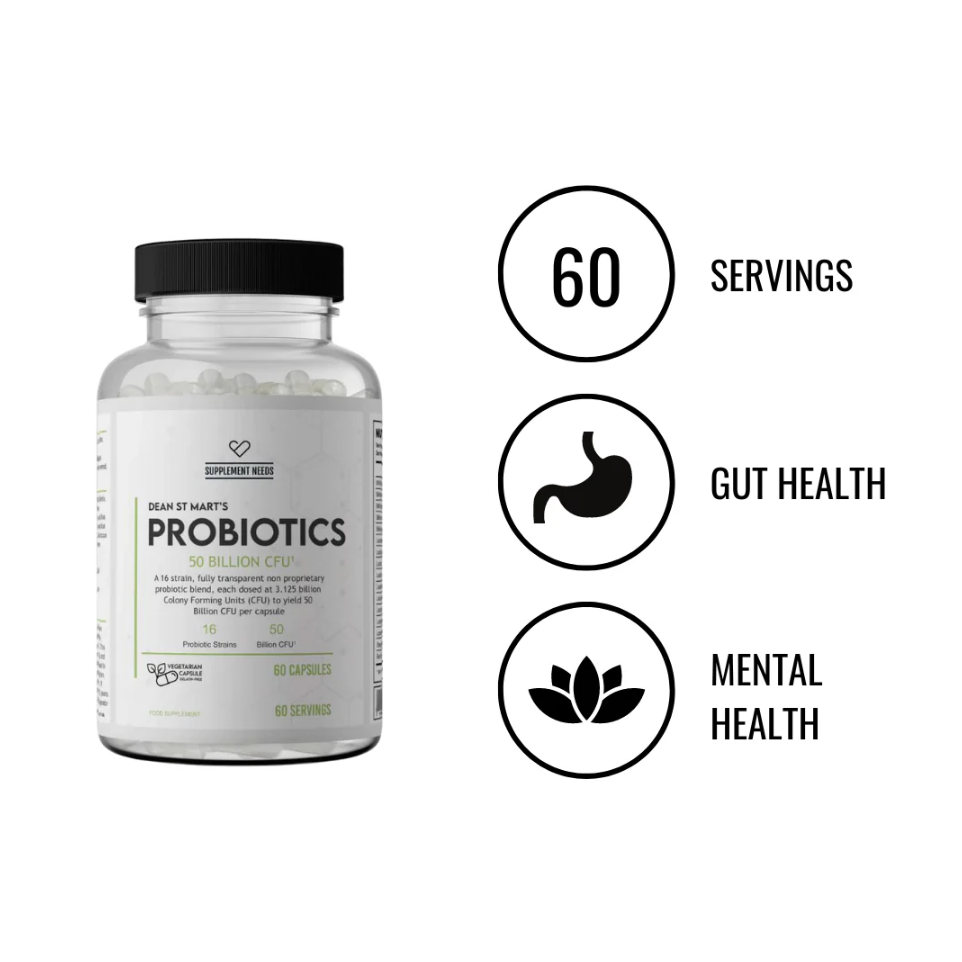
This is a multi-strain probiotic supplement delivering 50 billion colony-forming units (CFU) per serving.
Secure checkoutFree standard delivery on all orders30-day returns
Vitamin D3 + K2 Liquid Drops deliver two fat-soluble nutrients that are commonly considered together: D3 as cholecalciferol — the form most readily converted a…

60 billion AFU of Akkermansia muciniphila plus 64 billion CFU of Lactobacillus acidophilus, 700 mg berberine, 200 mg inulin, 2.4 mg astaxanthin, and chromium i…
Interested in more
personalised recommendations?

Set up your  Profile to connect your wearables, biomarkers and test results. Create a bespoke plan based on your unique biology. Expert-led, evidence-based.
This is a multi-strain probiotic supplement delivering 50 billion colony-forming units (CFU) per serving. Probiotics are live bacteria that, when taken in adequate amounts, may support the balance of the gut microbiome — the ecosystem of microorganisms that plays a role in digestion, immune regulation, and nutrient absorption.
A product at this CFU count is typically positioned for people with a specific reason to support their gut flora: after a course of antibiotics, during periods of digestive disruption, when travelling, or where a clinician has identified signs of microbial imbalance. It is not an everyday staple for everyone — the dose is meaningful, and who benefits most depends on individual circumstances.
Probiotics work best when the strains are resilient enough to survive stomach acid and reach the large intestine intact. The specific strains in a formulation matter considerably more than the CFU number alone; different strains have been studied for different outcomes, from bowel regularity to immune modulation. Check the packaging for the full strain profile.
Probiotic supplements occupy a crowded category with wide variation in quality. The 50 billion CFU designation places this product at the higher end of the dose range commonly used in clinical and functional medicine contexts, making it relevant as a short-term therapeutic intervention rather than a casual daily addition for most people.
Gut health probiotic blend
Follow the dosage instructions on the packaging. Probiotics are generally taken with or just before a meal to improve bacterial survival through the stomach. If you are also taking antibiotics, space the probiotic dose by at least two hours.
That depends on why you are taking it. Post-antibiotic courses are often run for two to four weeks; longer-term use for ongoing gut support should ideally be guided by a clinician. Check the packaging for the brand's recommended duration.
People who are immunocompromised, critically ill, or have a central venous catheter should avoid high-dose probiotics without medical supervision, as there is a small risk of bacteraemia in vulnerable individuals. If you are pregnant, breastfeeding, or on immunosuppressant medication, consult your doctor first.
Strain identity matters more than CFU number. Different strains have been studied for different outcomes — bowel regularity, immune modulation, traveller's diarrhoea — and a high CFU count of a poorly matched strain is less useful than a lower dose of the right one. Check the packaging for the full strain list.
Generally yes — taking probiotics with or just before a meal provides some buffering against stomach acid, which may improve the number of live bacteria reaching the gut. Avoid taking them with very hot drinks.
You can take probiotics alongside a course of antibiotics, but separate the doses by at least two hours so the antibiotic does not kill the probiotic bacteria before they reach the gut.
We offer physician-led talks and events to help you learn more about how to deal with stress through movement, mindfulness, and refocusing.
Learn about our next event
Overall Sentiment
5 months ago
Took these while travelling through Southeast Asia — stomach stayed settled the whole trip. Genuinely impressed.
5 months ago
Finished a two-week course of antibiotics in January and my digestion was a mess. Started these and within about ten days things were noticeably more settled. I'd tried cheaper options from the supermarket before but honestly this felt different — less bloating, more regular. Will keep a box in the cupboard for next time.
5 months ago
Doctor actually suggested a high-dose probiotic after my last round of antibiotics, and a friend pointed me here. Capsules are easy to swallow, no unpleasant aftertaste. Digestive comfort was back to normal faster than after previous courses where I just took cheap supermarket ones.
6 months ago
My nutritionist suggested a high-CFU probiotic after some gut issues I'd been dealing with. She was very specific about wanting a multi-strain formula at this kind of dose rather than a low-count daily capsule. Three weeks in and my digestion feels a lot calmer. Fairly pricey but I understand why quality in this category costs more.
6 months ago
Third time buying this. Every time I have to take antibiotics I order this straight away and it makes such a difference to how quickly I recover digestively. I've recommended it to my sister and my mum too. Yes it's expensive but for a short-term intervention it's worth it.
6 months ago
Noticed a real improvement in bloating and bowel regularity after about two weeks. The quality feels legit and I trust the strain profile more than the usual pharmacy stuff. My only hesitation is the price — £101 for a single product is hard to justify as a regular purchase on my budget. Would probably buy again for a specific reason but not as an ongoing thing.
A blood test is the only way to know what your body actually needs. We’ll tell you which of these supplements is right for you.
Find your panel
A curated selection of products, tools and rituals, chosen by our doctors.