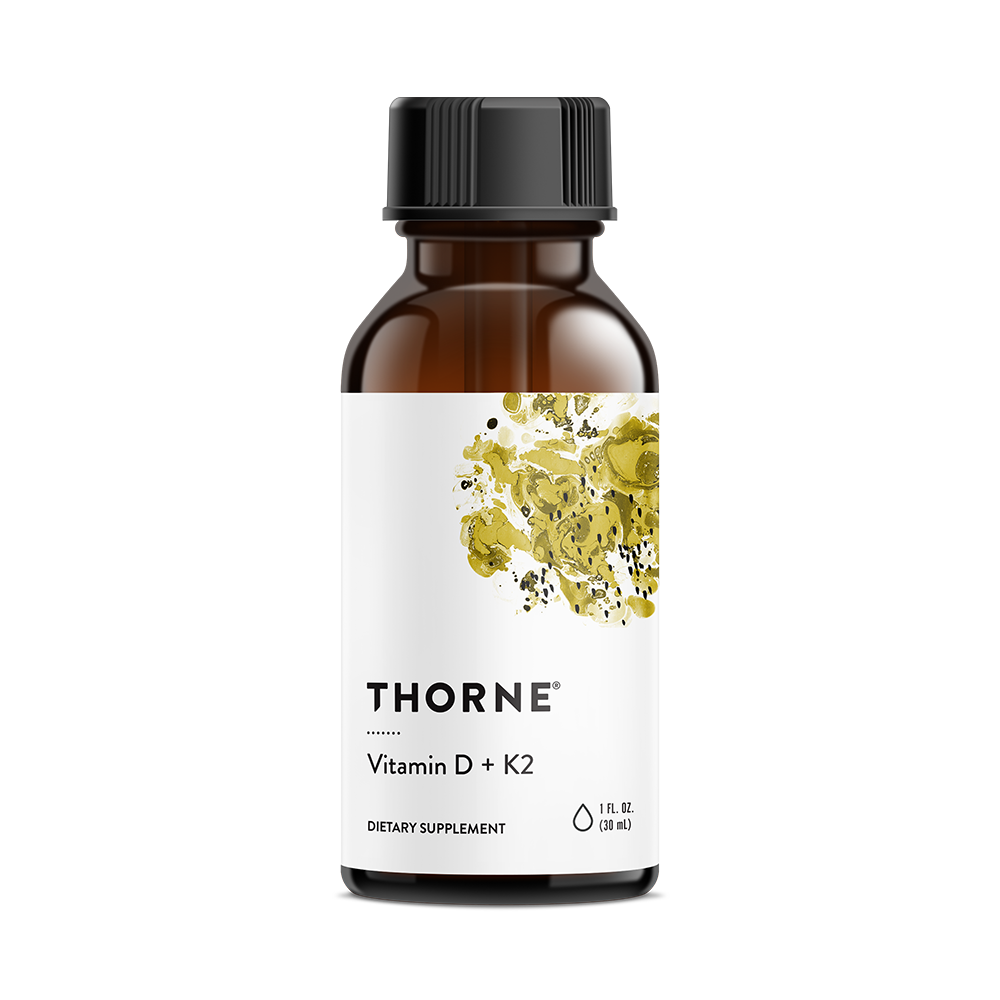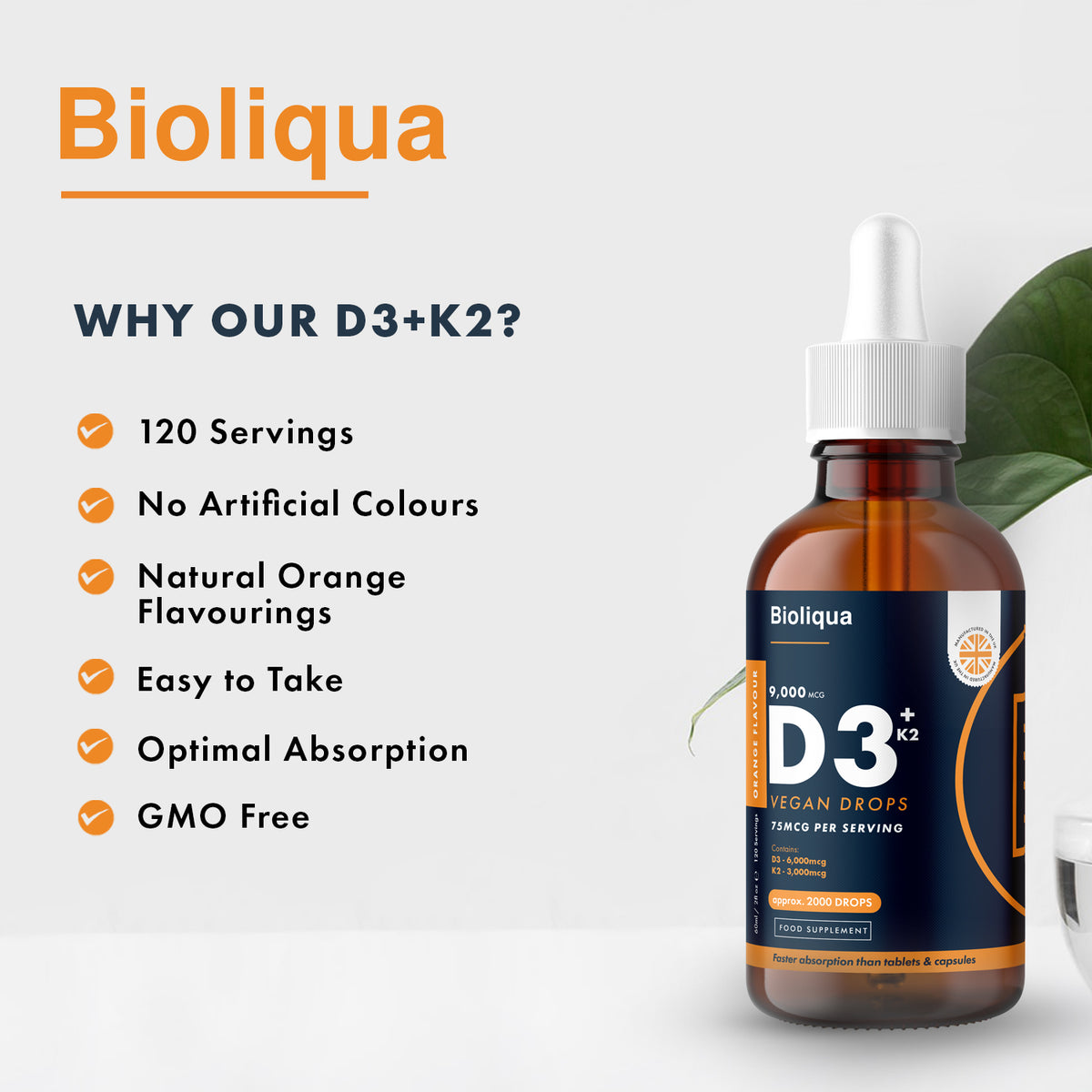
Vitamin D3 + K2 liquid drops
Vitamin D3 + K2 Liquid Drops deliver two fat-soluble nutrients that are commonly considered together: D3 as cholecalciferol — the form most readily converted a…

£35.00
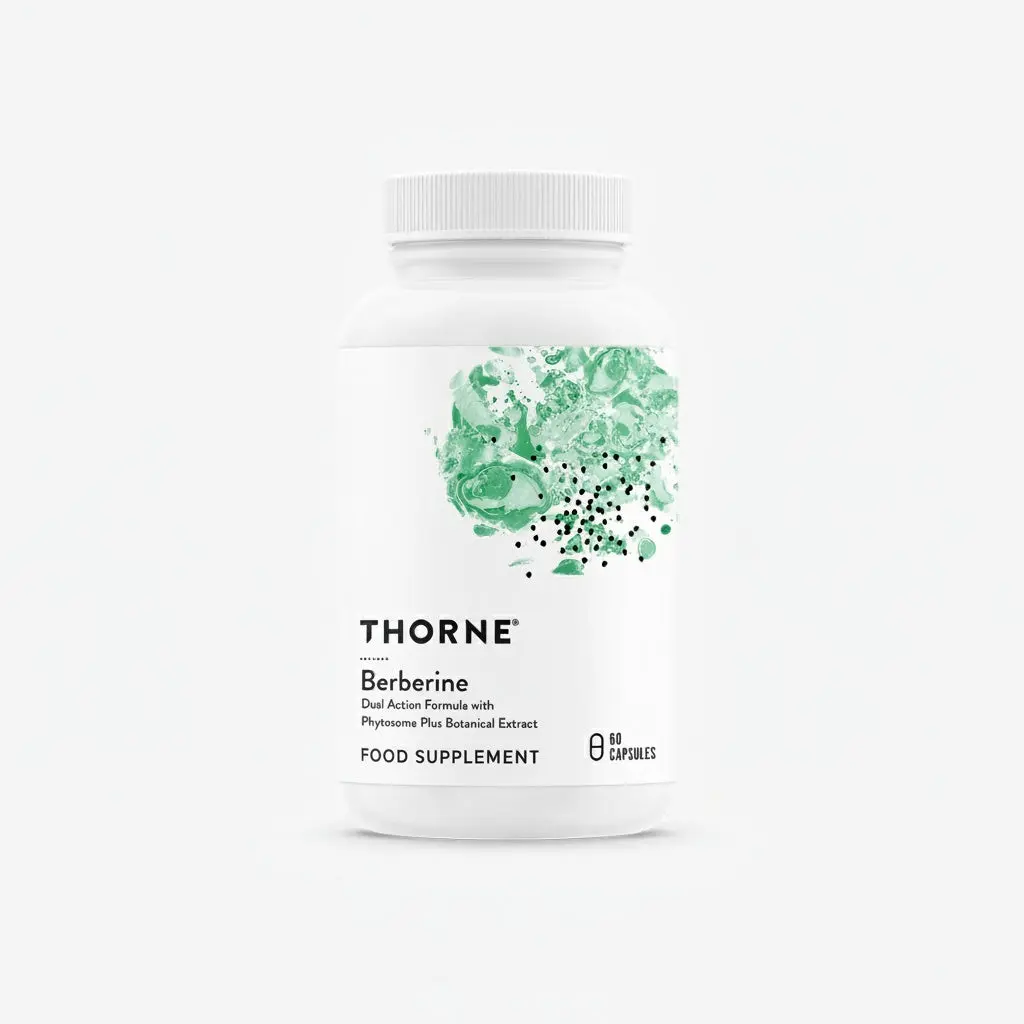
A dual-form berberine combining standard berberine HCl with phytosome-complexed berberine for enhanced absorption — 1000 mg per serving of one of the most extensively researched botanical compounds in metabolic science,…
Vitamin D3 + K2 Liquid Drops deliver two fat-soluble nutrients that are commonly considered together: D3 as cholecalciferol — the form most readily converted a…
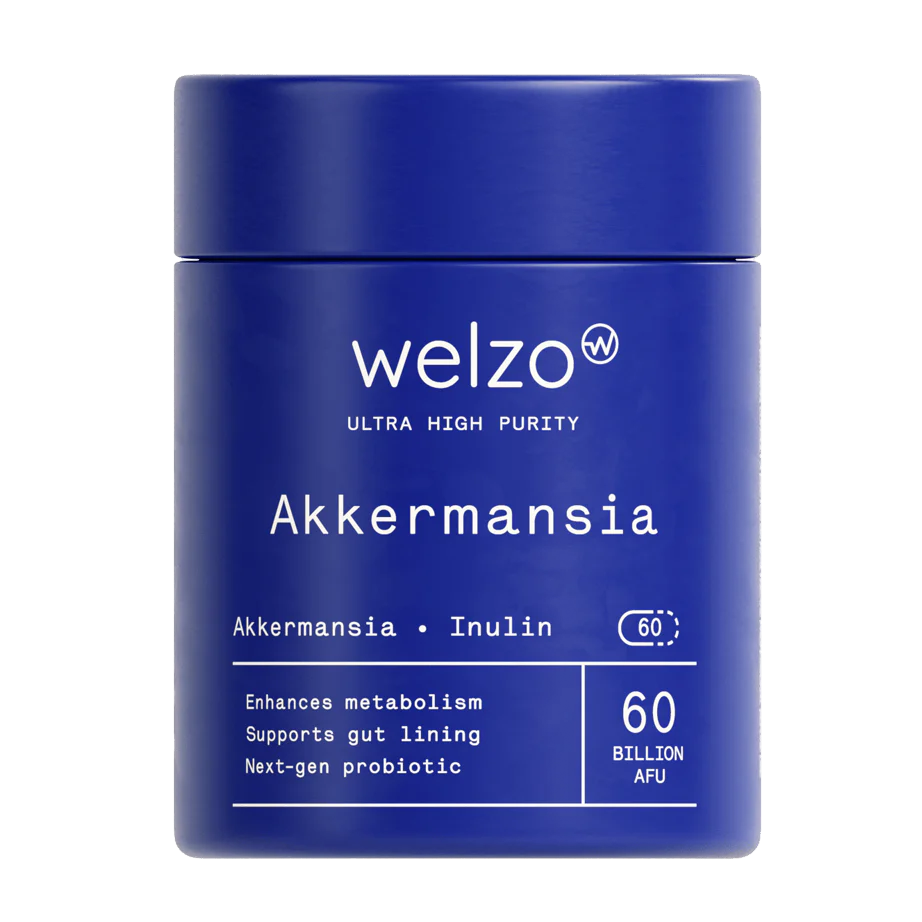
60 billion AFU of Akkermansia muciniphila plus 64 billion CFU of Lactobacillus acidophilus, 700 mg berberine, 200 mg inulin, 2.4 mg astaxanthin, and chromium i…
Interested in more
personalised recommendations?

Set up your  Profile to connect your wearables, biomarkers and test results. Create a bespoke plan based on your unique biology. Expert-led, evidence-based.
A dual-form berberine combining standard berberine HCl with phytosome-complexed berberine for enhanced absorption — 1000 mg per serving of one of the most extensively researched botanical compounds in metabolic science, from the brand trusted by over 100 professional sports teams and recommended by more practitioners than any other.
Berberine is not a trend supplement. It is a plant alkaloid with over 5,000 published studies — one of the most researched natural compounds in existence — with a body of evidence spanning metabolic health, blood sugar regulation, lipid metabolism, gut microbiome modulation, and cellular energy pathways. Extracted from the roots of Berberis aristata (Indian barberry), berberine has been used in traditional Chinese and Ayurvedic medicine for centuries, and modern research has confirmed mechanisms that explain why. It activates AMPK (adenosine monophosphate-activated protein kinase) — often called the body's metabolic master switch — the same enzyme pathway activated by exercise and caloric restriction. When AMPK is activated, cells increase glucose uptake, improve insulin sensitivity, enhance fatty acid oxidation, and shift energy metabolism toward efficiency. This is not a marginal effect. The clinical data on berberine's metabolic impact has drawn direct comparisons to pharmaceutical interventions. The challenge with berberine has always been bioavailability. Standard berberine HCl is poorly absorbed from the gut, with estimates suggesting that less than 5% of an oral dose reaches the systemic circulation. The compound is rapidly metabolised by intestinal and hepatic enzymes before it can exert its full effect. This is why many users take berberine for weeks and feel nothing — the dose on the label never reaches the tissues where it is needed. Higher doses compensate partially but increase the gastrointestinal side effects — nausea, cramping, diarrhoea — that cause many people to abandon supplementation before results appear.
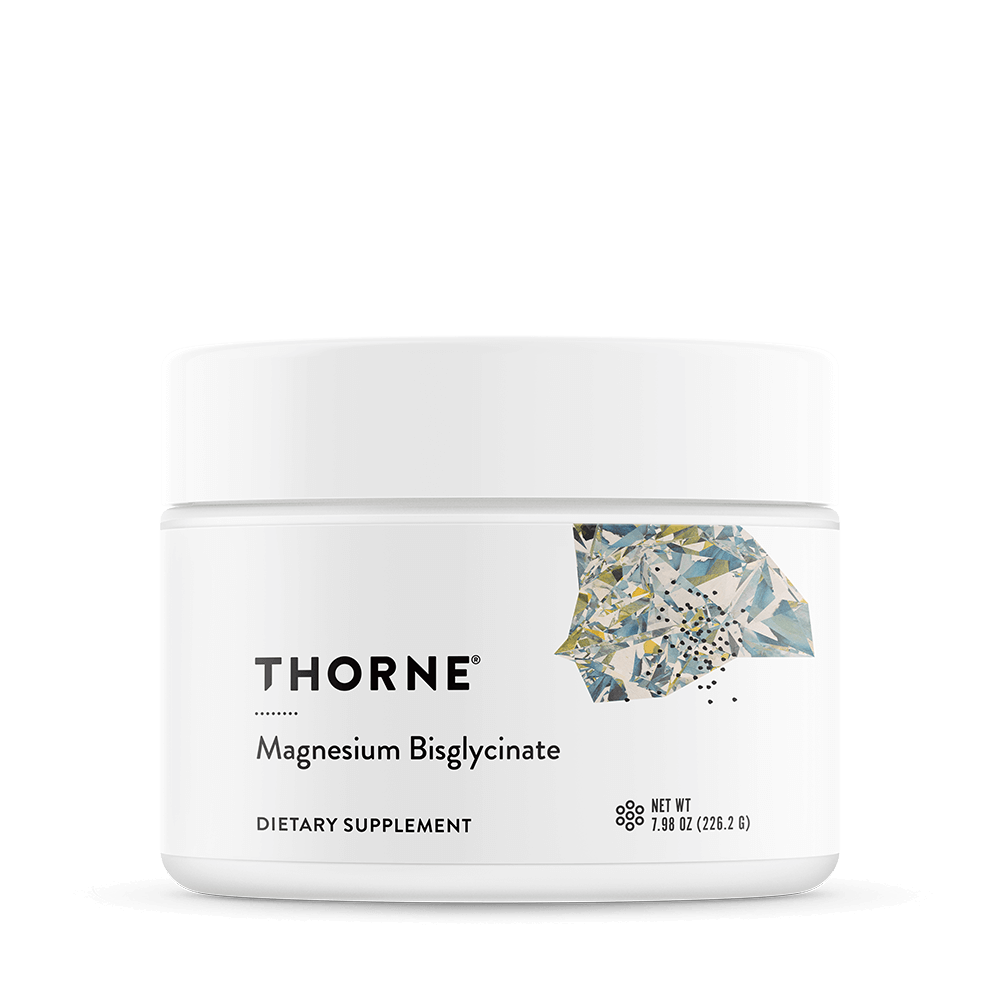
Thorne solved this with a dual-form approach. Each capsule combines berberine HCl — the traditional, well-studied form — with berberine phytosome, a patented complex that binds berberine to phospholipids derived from pea, sunflower, and grape seed. Phytosome technology wraps the berberine molecule in a lipid layer that enhances intestinal absorption and protects it from premature degradation, delivering significantly more active compound to the bloodstream than equivalent doses of berberine HCl alone. The combination provides both immediate gut-level activity (where berberine directly influences the microbiome and intestinal glucose absorption) and improved systemic bioavailability (where it activates AMPK in liver, muscle, and adipose tissue). 1000 mg total berberine per two-capsule serving. 60 capsules per bottle — a 15-to-30-day supply depending on dosing.
Thorne is NSF Certified for Sport, third-party tested through four rounds of quality verification, and trusted by over 47,000 healthcare practitioners worldwide. Vegetarian capsule. No gluten, dairy, soy, artificial colours, or preservatives.
People who approach metabolic health with the same evidence-based rigour they apply to training and nutrition choose berberine as a research-backed botanical intervention rather than relying on willpower and dietary restriction alone. It reflects an understanding that cellular metabolism can be supported at the enzymatic level — not just managed through behaviour.
Berberine Phytosome (Berberis aristata Extract (Root) / Phospholipid Complex from Pea, Sunflower, Grape Seed), Berberine HCl (from Indian Barberry Extract (Root), Berberis aristata), Hypromellose Capsule (Derived from Cellulose), Anti-Caking Agent (Calcium Laurate)
Take one to two capsules twice daily with meals. Starting with one capsule twice daily for the first week allows your gut to adapt and minimises the gastrointestinal sensitivity (mild cramping or loose stools) that some people experience at the outset. Increase to the full dose after the first week if well tolerated. Taking with food reduces GI side effects and aligns berberine's glucose-regulating activity with the post-meal period when it is most relevant. Do not take on an empty stomach. Consult your healthcare professional before use if taking blood sugar-lowering medications (metformin, sulfonylureas, insulin), as berberine may enhance their effects and require dose adjustment. Do not use during pregnancy or breastfeeding. If taking any prescription medication, consult your doctor — berberine can interact with drugs metabolised by cytochrome P450 enzymes, including statins, certain antibiotics, and anticoagulants. Store in a cool, dry place. Keep out of reach of children.
The botanical compound with more published research than most pharmaceuticals — now in the dual-form delivery that finally makes the dose on the label match the dose in your blood.
Berberine shares some metabolic pathways with metformin and may have additive effects on blood glucose or lipids when combined with statins. This isn't necessarily unsafe, but the combination should be reviewed by your GP or prescribing clinician before you start, as your existing medication dose may need adjustment.
Research on berberine typically measures outcomes over 8–12 weeks. Meaningful changes to fasting glucose or lipid markers are unlikely to be apparent in under a month. Track progress with a blood panel rather than relying on symptoms alone.
Berberine is not recommended during pregnancy or breastfeeding. It should be used cautiously in people with low blood pressure, those on blood-thinning medications, or anyone with liver conditions. Always check with a clinician if you are on any regular prescription medication.
Taking berberine with or just before a meal is generally recommended — it may reduce the mild gastrointestinal discomfort some people experience, and timing it around meals aligns with its effect on post-meal glucose response.
The hydrochloride salt form (berberine HCl) is the form used in the majority of human studies on berberine. Thorne's formulation uses berberine HCl, so it is consistent with the researched compound.
We offer physician-led talks and events to help you learn more about how to deal with stress through movement, mindfulness, and refocusing.
Learn about our next event
Overall sentiment
4 days ago
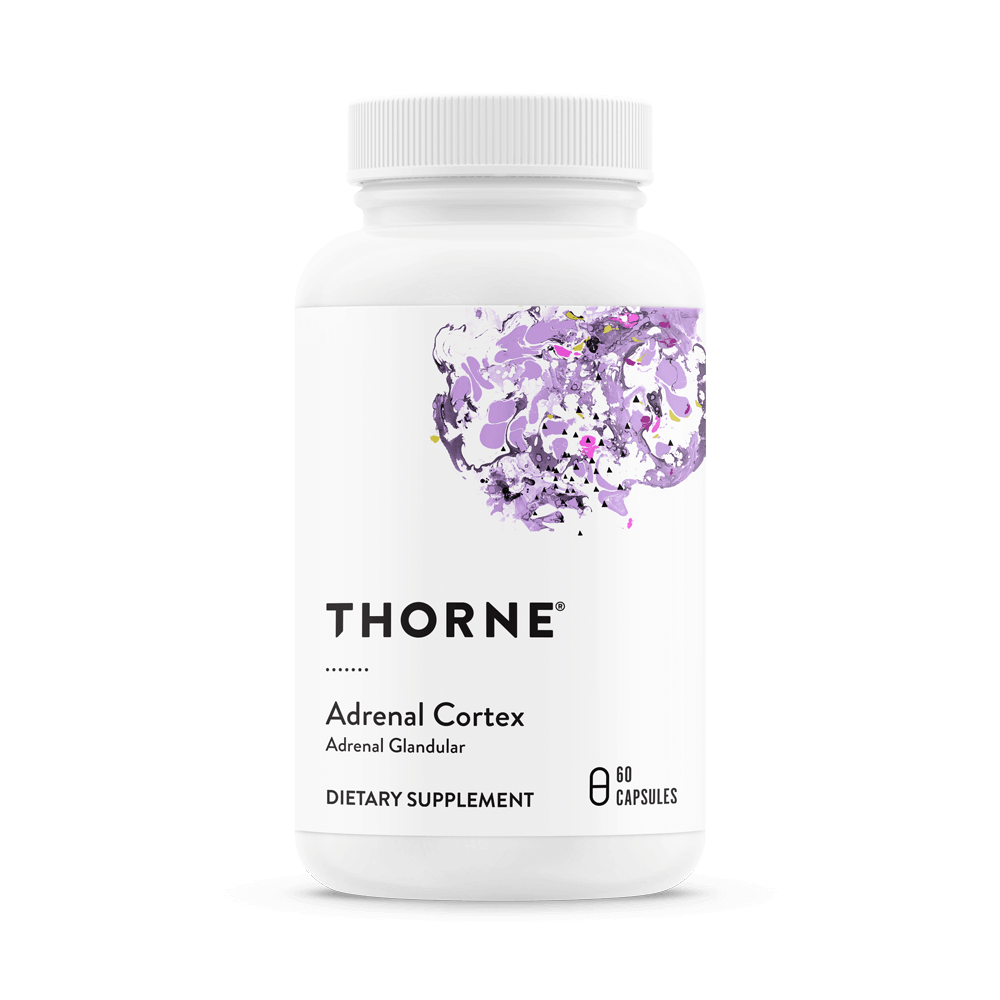
Gentle on a sensitive stomach, and I feel like myself again. I had tried two other glandulars before this and neither sat right.
1 week ago
I was sceptical about glandulars, but my mid-afternoon crash has genuinely eased. One capsule with breakfast and I forget about it.
2 weeks ago
Not a stimulant, which is exactly what I wanted. It took about ten days, then I realised I wasn’t dreading the afternoon any more.
3 weeks ago
Bought after a blood panel flagged a flat cortisol curve. Easy to take, no jitters, and the sourcing is refreshingly transparent.
1 month ago
Training hard through a stressful stretch and this has helped me bounce back between sessions. Already on my second bottle.
1 month ago
No frills, one ingredient, a sensible dose. I appreciate that it is designed to be used for a season rather than forever.
A blood test is the only way to know what your body actually needs. We’ll tell you which of these supplements is right for you.
Find your panel
A curated selection of products, tools and rituals, carefully chosen by our expert doctors, to benefit you on your wellness journey.