Omega-3
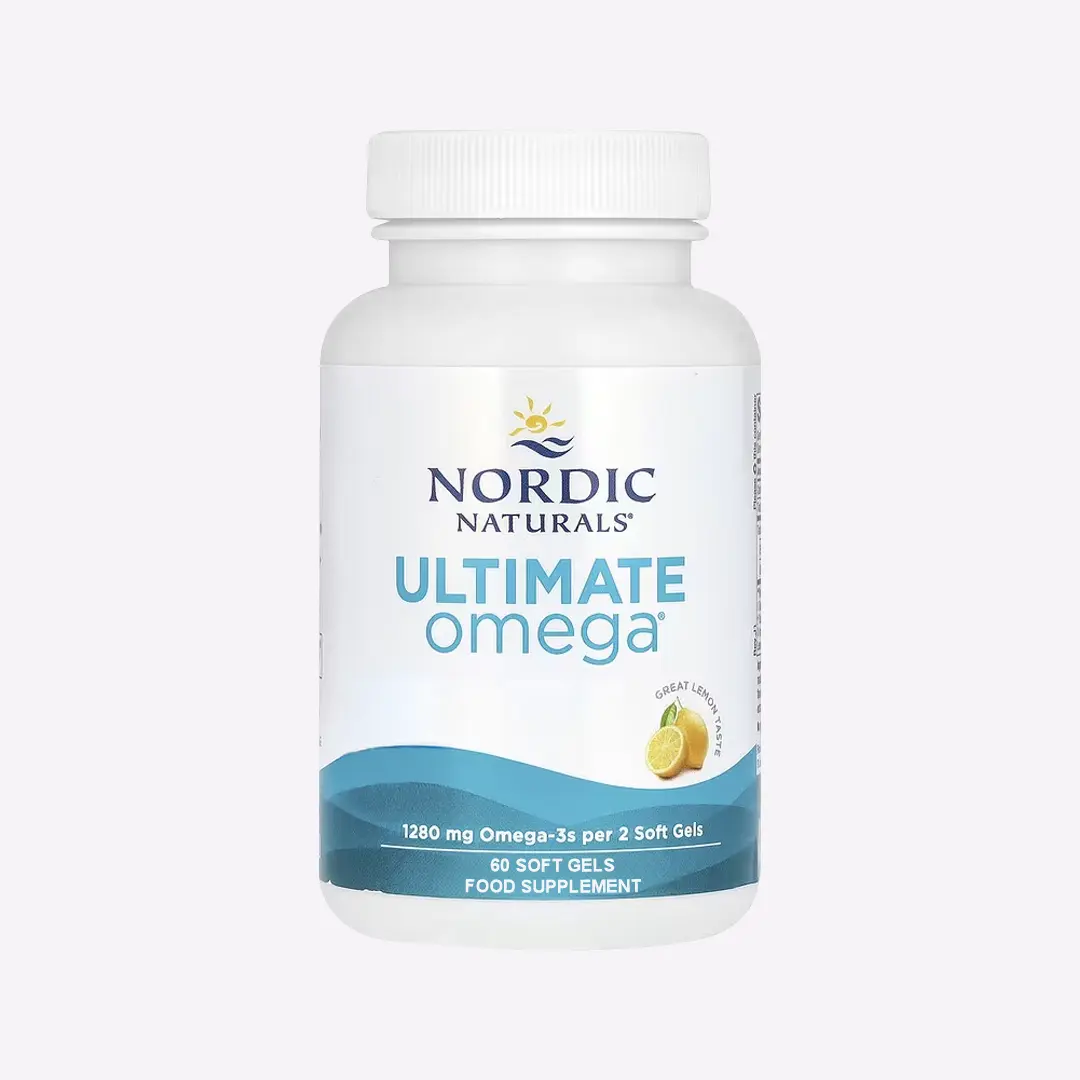
The single most evidence-backed supplement there is, in a clean, high-strength triglyceride oil that actually absorbs.

£65.00
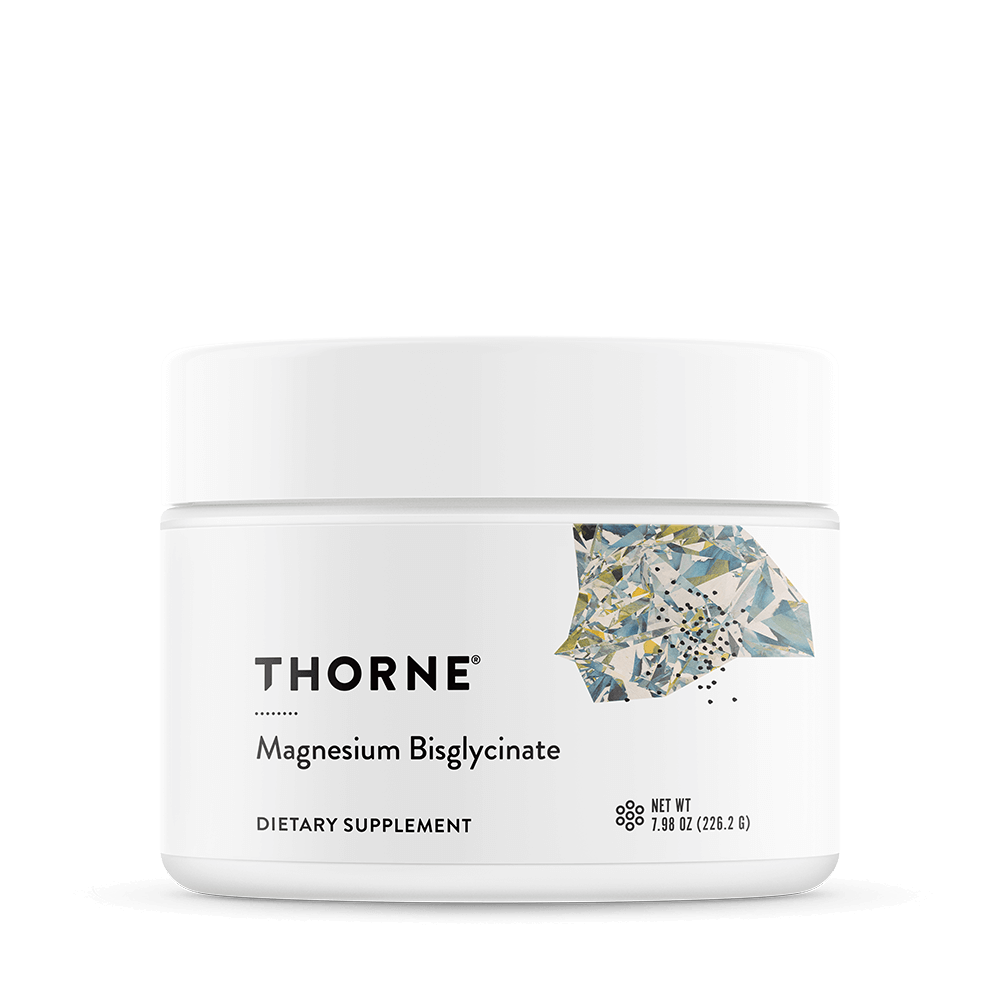
The gentle, highly absorbed form of the mineral behind calm, sleep and steady energy, that most people are short on.
What are you hoping to improve?
Pick a goal and we’ll tell you, honestly, whether Magnesium Bisglycinate is the right fit, or what would suit you better.
Magnesium runs more than three hundred reactions in the body, from muscle and nerve function to energy production, blood sugar control and the wind-down chemistry that lets you actually relax. It is also one of the most common shortfalls in a modern diet, and stress, hard training and caffeine drain it faster still. Form is what separates this from the magnesium on a supermarket shelf. Bisglycinate binds the mineral to the amino acid glycine, which makes it both highly absorbable and easy on digestion, with none of the loose-stool effect that cheap oxide is infamous for. The glycine brings a calming benefit of its own on top.
The single most evidence-backed supplement there is, in a clean, high-strength triglyceride oil that actually absorbs.
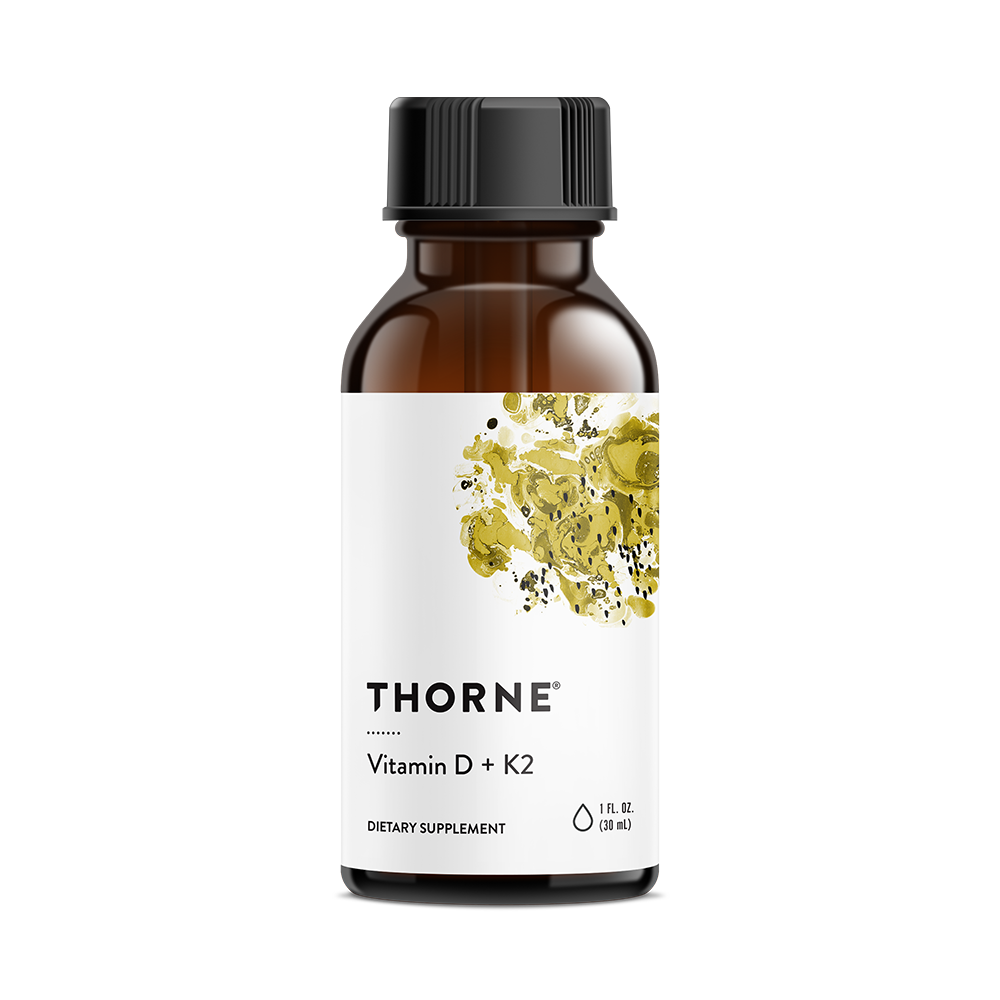
Winter-proof immunity, mood and bone strength, with K2 to steer the calcium exactly where it belongs.
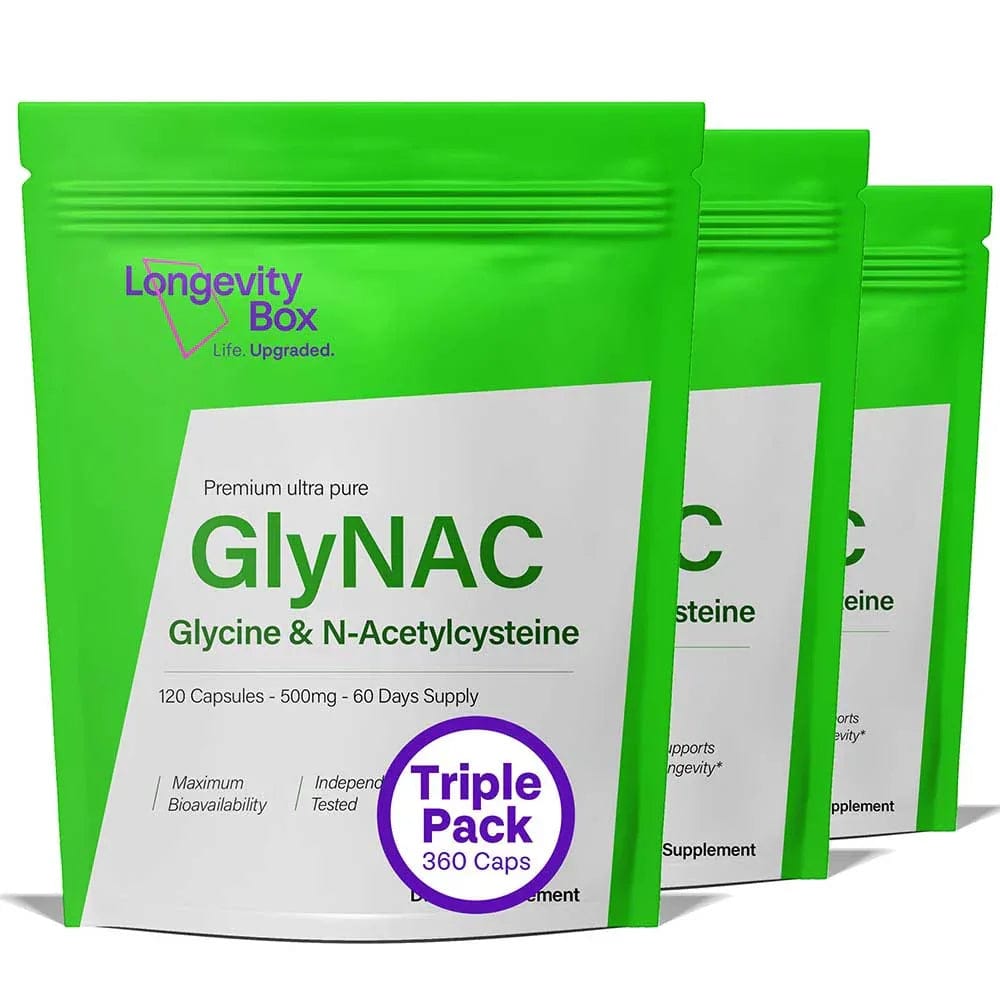
Glycine paired with NAC, the two building blocks your body uses to make glutathione, with glycine's own quiet calm on top.
Interested in more
personalised recommendations?

Set up your  Profile to connect your wearables, biomarkers and test results. Create a bespoke plan based on your unique biology. Expert-led, evidence-based.
Magnesium runs more than three hundred reactions in the body, from muscle and nerve function to energy production, blood sugar control and the wind-down chemistry that lets you actually relax. It is also one of the most common shortfalls in a modern diet, and stress, hard training and caffeine drain it faster still.
Form is what separates this from the magnesium on a supermarket shelf. Bisglycinate binds the mineral to the amino acid glycine, which makes it both highly absorbable and easy on digestion, with none of the loose-stool effect that cheap oxide is infamous for. The glycine brings a calming benefit of its own on top.
Thorne's version is clean and precisely dosed at 200mg of elemental magnesium per serving, made to the standard that has kept the brand in clinical practice for decades. It is the kind of unglamorous staple you only notice once you stop running short of it.
It works morning or night: for muscle and energy through the day, or for calm and deeper sleep in the evening. A genuine everyday base, and a natural partner to omega-3 and vitamin D.
Magnesium runs more than three hundred reactions in the body, from muscle and nerve function to energy production, blood sugar control and the wind-down chemistry that lets you actually relax. It is also one of the most common shortfalls in a modern diet, and stress, hard training and caffeine drain it faster still.
The form is everything. Bisglycinate is highly absorbed and easy on digestion, unlike the cheap oxide that causes loose stools, and the glycine it's bound to adds its own quiet calm. Thorne's is clean and precisely dosed.
Supports muscle and nerve function, energy production and the wind-down chemistry that lets you relax, morning or night.
One to two capsules daily, with or without food.
Take in the evening if you're using it to wind down.
Split the dose morning and night if you train hard.
If you feel wired or restless, take less, or take a break.
The aim is steadiness, not stimulation.
An evening workshop on the small rituals, magnesium among them, that help a busy nervous system find a lower gear.
See our next sleep workshop
Overall sentiment
4 days ago
Gentle on a sensitive stomach, and I feel like myself again. I had tried two other glandulars before this and neither sat right.
1 week ago
I was sceptical about glandulars, but my mid-afternoon crash has genuinely eased. One capsule with breakfast and I forget about it.
2 weeks ago
Not a stimulant, which is exactly what I wanted. It took about ten days, then I realised I wasn’t dreading the afternoon any more.
3 weeks ago
Bought after a blood panel flagged a flat cortisol curve. Easy to take, no jitters, and the sourcing is refreshingly transparent.
1 month ago
Training hard through a stressful stretch and this has helped me bounce back between sessions. Already on my second bottle.
1 month ago
No frills, one ingredient, a sensible dose. I appreciate that it is designed to be used for a season rather than forever.
A blood test is the only way to know what your body actually needs. We’ll tell you which of these supplements is right for you.
Find your panel
A curated selection of products, tools and rituals, carefully chosen by our expert doctors, to benefit you on your wellness journey.