Quality improvement
Clinical lead for an artificial intelligence pilot in general practice
2025 to present
The Wellness
General practice and minor surgery
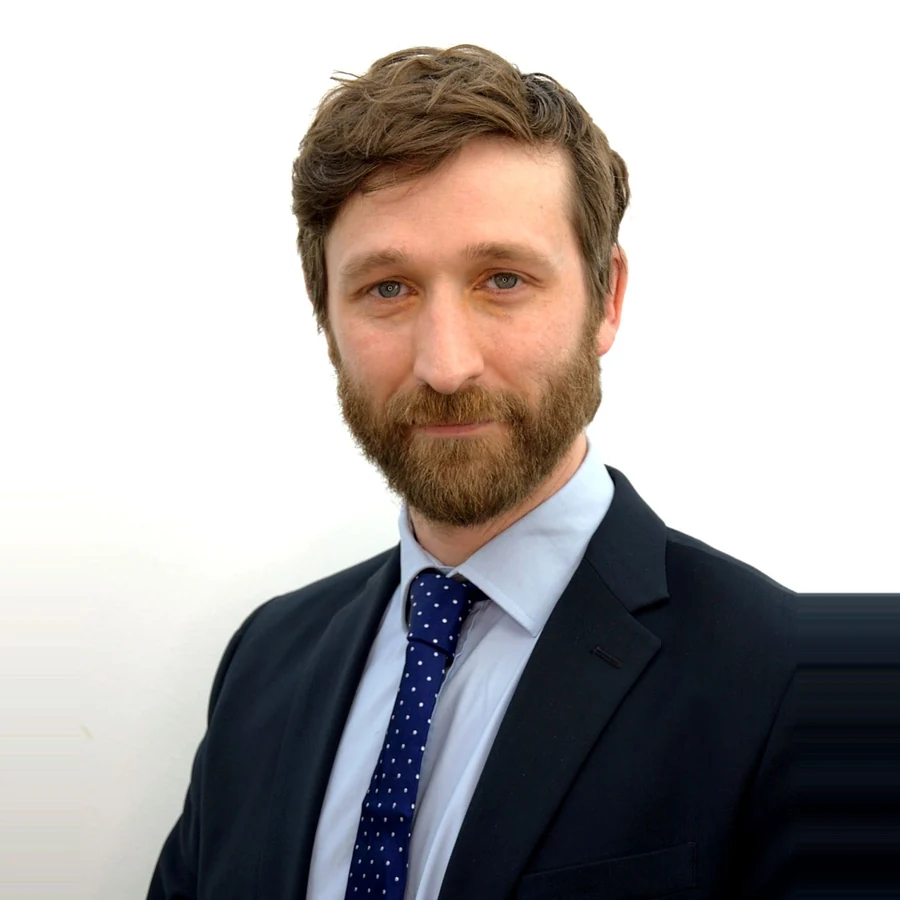
Dr Kennedy is a general practitioner. Same day illness, long term conditions, prescriptions, results and the symptom you want somebody to look at properly. By telephone, by video or in the room, whichever suits the day.
Where most GPs refer you on, he does the procedure himself. A mole, a cyst or a lump usually costs you two appointments and a wait in between, one doctor to look at it and another to take it out. He is both, and he performs around three hundred minor procedures a year. Moles, skin lesions, cysts and lipomas come out under local anaesthetic, and low risk basal cell carcinomas where that is the right treatment. Tissue that needs examining goes to a laboratory and he gives you the result himself. Joints are treated the same way, with injections for pain, carpal tunnel injections for a trapped nerve at the wrist, and aspiration where a joint needs draining.
He qualified in medicine at Nottingham in 2012 and gained membership of the Royal College of General Practitioners in 2017, along with its minor surgery qualification. He has practised as a general practitioner for nine years and teaches minor surgery to other GPs. He has performed more than a thousand no scalpel vasectomies.
Same day illness, long term conditions, prescriptions, results and reviews. By telephone, by video or in the room. Nine years as a GP, and you can see him again for the follow up.
Moles, cysts, lipomas and low risk basal cell carcinomas, examined and removed under local anaesthetic. Cryotherapy, curettage and cautery, and ingrowing toenail removal. Tissue that needs examining goes to a laboratory and he gives you the result.
Injections for a painful joint, carpal tunnel injections for a trapped nerve at the wrist, and aspiration where a joint needs draining. Assessed and treated in the same appointment.
Step 1
By telephone, by video or in the room. A history, and where it is something he needs to see, a proper examination.
Step 2
You hear the options, what each one involves and what it leaves behind. Nothing is removed before that conversation.
Step 3
Most minor procedures are done under local anaesthetic the same day, with no referral and no second wait. Anything needing histology goes to a laboratory, and he gives you the result and what it means for you.
MRCGP
Royal College of General Practitioners
Minor surgery in general practice
Royal College of General Practitioners
Bachelor of Medicine and Surgery
University of Nottingham
Master of Arts, English literature
University of Edinburgh
General practice training
Whipps Cross University Hospital. Paediatrics, ENT, accident and emergency, general practice
Foundation years
Watford and University College London Hospitals. Gastroenterology, urological surgery, general practice, rheumatology, acute medicine, trauma and orthopaedics
Around three hundred minor procedures a year, at the most complex tier general practice performs
Since 2020
More than a thousand no scalpel vasectomies
2022 to 2026
Trains other GPs in minor surgery
Since 2020
VTS representative, London School of General Practice trainee committee
2015 to 2017
Quality improvement
Clinical lead for an artificial intelligence pilot in general practice
2025 to present
Audit
Minor surgery histology and efficiency audit
2020 to present
Teaching
Trains other GPs in minor surgery, and peer teaching to trainees
2020 to present, and 2015 to 2017
Quality improvement
Piloted video consultations in general practice
2017
Quality improvement
An app for hospital incident reporting
2014
Research
Wound infection rates in clip closure against V lock closure in total hip replacement
2013
Allow up to forty-five minutes. Dr Kennedy takes a history and examines the lesion or the joint properly, then tells you what he thinks it is and what the options are. Bring any recent letters or results if you have them.
Yes. Telephone and video appointments run alongside appointments in the room, and most everyday general practice can be done on either. Anything he needs to look at, and any procedure, needs you in the room. He will tell you which yours is on the call.
Often, yes. Most skin lesions are examined and removed under local anaesthetic in the same appointment. Some need a second look, a photograph over time, or a different pathway. He will tell you which yours is before you commit to anything.
Any excision leaves a mark. He will tell you where it will sit and how it is likely to settle before he starts. Where tissue goes to a laboratory, he gives you the result and what it means for you.
You will receive an itemised receipt suitable for insurance claims. Cover varies by policy, so check your eligibility with your insurer before booking.
Every appointment begins with a proper consultation. Where a procedure is the answer, he does it himself.