One in Four Births in England Now Emergency Caesarean
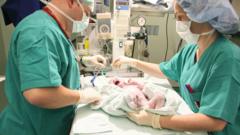
Emergency caesarean sections now account for one in every four births in England, according to a BBC News analysis. The figure represents a substantial shift in how births are being managed across the country, with the proportion rising considerably over the preceding five years.
What the Data Shows
The BBC's analysis found that the share of deliveries classified as emergency caesarean sections has climbed markedly in recent years. An emergency caesarean differs from a planned, or elective, procedure in that it is carried out in response to complications or concerns that arise during labour or late in pregnancy, rather than being scheduled in advance.
The scale of the trend — reaching a rate of one in four births — has drawn attention from clinicians and researchers tracking maternity outcomes in England.
No Single Explanation Identified
Despite the clear upward trajectory in the data, experts have so far been unable to point to one definitive cause. According to the BBC's reporting, specialists acknowledge the trend but stop short of attributing it to any single factor. The picture, as it stands, remains complex and contested within the medical community.
The absence of a clear causal explanation means the rise continues to prompt questions rather than settled answers — both about what is driving the change and what, if anything, it signals about the broader state of maternity care in England.
Context and Significance
Caesarean sections — both emergency and planned — have become an increasingly common feature of modern obstetric care. Emergency procedures, by their nature, carry a different risk profile from planned ones, and their rising prevalence is considered a meaningful indicator when assessing maternity services.
The five-year timeframe highlighted in the BBC's analysis suggests the shift is not a short-term fluctuation but rather a sustained directional change in how a significant proportion of births in England are concluding.
Whether the trend reflects changes in clinical practice, patient population characteristics, or pressures within maternity units remains, according to the experts cited in the reporting, an open question. Researchers have not reached consensus on the relative weight of any contributing factors.
Broader Implications
The findings arrive at a time when maternity services in England have faced sustained scrutiny. A rate of one in four births ending in emergency caesarean section is a figure that researchers and policymakers are likely to examine closely, even as the underlying drivers remain unclear.
For now, the BBC analysis establishes the scale of the shift without offering a definitive account of its origins — a reflection, perhaps, of how difficult it can be to isolate causes within a system as complex as NHS maternity care.
References
More lifestyle news
This is news reporting, not medical advice. For a medical question, ask a doctor.